Not long ago, one of you wrote to tell me that, after reading my article on French cheeses, she was planning to bring a cheese board to her family’s Thanksgiving dinner. Then another of you mentioned that she was thinking of making a gratin dauphinois instead of the usual mashed potatoes. I loved hearing how these little French ideas were finding their way into your Thanksgiving traditions. And it made me wonder what else from our French kitchens might be welcome at the table.
Now, I should probably admit that I’ve only celebrated Thanksgiving once, here in Amsterdam. I was invited to dinner and brought a homemade pain d’épices, which seemed like a perfectly reasonable French contribution. Whether the evening followed every American tradition, I couldn’t say, but I remember enjoying it very much. So I’m hardly an authority on Thanksgiving, and I certainly wouldn’t dream of interfering with anyone’s treasured family recipes. We French have our own rather firm opinions about what belongs on the Christmas table, so I understand the sentiment.
Still, if there’s room for something a little different alongside the turkey and the pumpkin pie, I’ve gathered seven ideas, from Comté gougères and chestnuts gently cooked in butter to a stuffing inspired by something rather unexpected: the garlic and parsley butter we serve with escargots. Some are traditional French recipes you can easily bring along as a guest, while others are adaptations I’ve imagined for the occasion. You certainly don’t need to make all seven. From what I understand, there is already quite an impressive amount of food involved in Thanksgiving. But perhaps one or two will tempt you.
1. Gougères au Comté
These little cheese puffs from Burgundy are wonderfully light, with a golden crust, an airy center, and the nutty flavor of Comté. They’re traditionally served with a glass of wine and would make a lovely little something to nibble on while everyone gathers before dinner.
Makes 24–28 gougères | Prep: 20 minutes | Cook: 25–30 minutes
- 125 ml (½ cup) water
- 125 ml (½ cup) whole milk
- 100 g (7 tbsp) unsalted butter
- 150 g (1¼ cups) all-purpose flour
- 4 large eggs, at room temperature
- 120 g (about 1¼ cups) finely grated Comté or Gruyère, plus a little extra for topping
- ½ tsp fine salt
- Freshly ground black pepper
- A pinch of freshly grated nutmeg
Preheat the oven to 200°C/400°F. Line two baking sheets with parchment paper. In a saucepan, bring the water, milk, butter, and salt to a gentle boil. Remove from the heat, add the flour all at once, and stir vigorously until a smooth dough forms. Return to low heat and stir for another 1–2 minutes, until the dough pulls away from the sides. Transfer to a bowl and let cool for 5 minutes. Add three eggs one at a time, beating well after each addition, then gradually add enough of the beaten fourth egg to obtain a smooth, glossy dough that falls slowly from the spoon. Fold in the cheese, pepper, and nutmeg.
Using two teaspoons or a piping bag, place small mounds of dough onto the baking sheets, leaving about 5 cm (2 inches) between them. Sprinkle with a little extra Comté and bake for 25–30 minutes, until puffed and golden. Avoid opening the oven during the first 20 minutes. Serve warm. Gougères can also be baked in advance, frozen, and reheated straight from frozen at 175°C/350°F for 8–10 minutes.
2. Garlic & Parsley Butter Stuffing, Inspired by French Escargots
When I discovered what goes into American stuffing, I immediately thought of the garlic and parsley butter we serve with escargots in Burgundy, and the pieces of baguette we use to soak up every last drop. So I wondered: why not bring those same flavors to a Thanksgiving stuffing? I tried making a small batch at home, and it turned out absolutely delicious! No snails involved, I promise.
Serves 8 | Prep: 25 minutes | Bread drying: 20–25 minutes | Cook: 40–45 minutes
- 450 g (1 lb) day-old country bread or sourdough, cut into 2 cm (¾-inch) cubes
- 115 g (½ cup) unsalted butter
- 3 medium shallots (about 100 g), finely chopped
- 4 garlic cloves, finely minced
- 15 g (½ cup) finely chopped fresh flat-leaf parsley
- 1 tbsp fresh thyme leaves
- 360–480 ml (1½–2 cups) low-sodium chicken or vegetable broth
- 2 large eggs
- ½ tsp fine salt, or to taste
- Freshly ground black pepper
Preheat the oven to 150°C/300°F. Spread the bread cubes on a baking sheet and dry for 20–25 minutes, until firm but not browned. Increase the oven temperature to 190°C/375°F and butter a 23 × 33 cm (9 × 13-inch) baking dish. Melt 85 g (6 tbsp) of the butter in a skillet, add the shallots, and cook gently for 5–7 minutes until soft. Add the garlic and thyme for another minute, then remove from the heat and stir in the parsley, salt, and pepper.
Place the bread in a large bowl and toss with the herb butter. Whisk the eggs with 360 ml (1½ cups) of broth and pour gradually over the bread, adding a little more broth if needed, until thoroughly moistened but not soggy. Transfer to the baking dish, dot with the remaining 30 g (2 tbsp) of butter, and cover with foil. Bake for 25 minutes, then uncover and bake for another 15–20 minutes, until golden on top and the center reaches 74°C/165°F. Let rest for 5 minutes before serving.
3. Traditional French Potato Gratin (Gratin Dauphinois)
Thinly sliced potatoes, cream, milk, and garlic, slowly baked until wonderfully tender and golden. There’s no cheese in a traditional gratin dauphinois; the potatoes and cream are quite enough. I thought it might make a delicious alternative to mashed potatoes, just as one of you is planning to try this year.
And if you’re keeping your traditional mashed potatoes, may I suggest adding a little freshly grated nutmeg? It’s something I love doing, and just a pinch makes them even more delicious.
Serves 4–6 | Prep: 15 minutes | Cook: 1 hour 10–20 minutes
- 1 kg (2.2 lb) potatoes, preferably Yukon Gold or another all-purpose variety
- 300 ml (1¼ cups) heavy cream
- 200 ml (¾ cup plus 1½ tablespoons) whole milk
- 2 garlic cloves
- 15 g (1 tablespoon) unsalted butter
- 1 teaspoon fine salt, or to taste
- Freshly ground black pepper
- A pinch of freshly grated nutmeg
Preheat the oven to 180°C/350°F. Peel the potatoes and slice them very thinly, about 2–3 mm (⅛ inch) thick. Do not rinse them after slicing, as their starch helps thicken the cream. Rub a baking dish with one halved garlic clove, then butter it generously. Finely mince the second garlic clove and add it to a saucepan with the cream, milk, salt, pepper, and nutmeg. Warm gently without boiling.
Arrange the potatoes in the baking dish, approximately 20 × 30 cm (8 × 12 inches). Pour over the warm cream mixture and press down lightly so most of the potatoes are submerged. Cover loosely with foil and bake for 45 minutes. Remove the foil and continue baking for another 25–35 minutes, until the potatoes are completely tender when pierced with a knife and the top is golden. If it browns too quickly, cover again. Let the gratin rest for 10 minutes before serving.
4. Buttered Chestnuts with Shallots & Thyme
In France, we traditionally serve chestnuts alongside roast turkey or chapon (capon) at Christmas, often simply warmed in butter. Their delicate sweetness works beautifully with roast poultry, which made me think they might be just as welcome beside a Thanksgiving turkey. I’ve added a little shallot and thyme, although butter alone is already delicious.
Serves 6 | Prep: 10 minutes | Cook: 12–15 minutes
- 500 g (1.1 lb) cooked, peeled chestnuts, vacuum-packed or jarred
- 45 g (3 tbsp) unsalted butter
- 2 small shallots (about 60 g), finely chopped
- 1 tsp fresh thyme leaves
- Salt and freshly ground black pepper
- 2–3 tbsp water or chicken broth, if needed
- A little fresh parsley, optional
Melt 30 g (2 tbsp) of butter in a large skillet over medium-low heat. Add the shallots and cook gently for 4–5 minutes, until soft but not browned. Add the chestnuts and thyme, tossing carefully to coat them in the butter. Cook for another 5–7 minutes, turning occasionally, until warmed through and lightly golden. If the pan becomes dry, add a splash of water or broth. Add the remaining tablespoon of butter, season with salt and pepper, and finish with a little parsley if you like. Serve warm. For an even simpler version, leave out the shallots and thyme and warm the chestnuts with just butter, salt, and pepper. You can also make these earlier in the day and reheat them gently before serving.
5. French Green Beans with Garlic, Butter & Parsley
In France, we often prepare green beans quite simply, sautéed in butter with a little garlic and fresh parsley. It’s a lighter alternative to the traditional green bean casserole, and one I think would be particularly welcome alongside the richer dishes of Thanksgiving.
Serves 6 | Prep: 10 minutes | Cook: 12–15 minutes
- 700 g (1½ lb) fresh green beans, trimmed
- 45 g (3 tbsp) unsalted butter
- 2 garlic cloves, finely minced
- 10 g (¼ cup) finely chopped fresh flat-leaf parsley
- Salt and freshly ground black pepper
- 1–2 tsp fresh lemon juice, optional
Bring a large pot of salted water to a boil. Add the green beans and cook for 5–7 minutes, until tender but still slightly firm (very thin haricots verts may need only 3–5 minutes). Drain well. Melt the butter in a large skillet over medium heat, add the beans, and sauté for 2–3 minutes. Lower the heat, add the garlic, and cook for another minute without letting it brown. Remove from the heat, stir in the parsley, season with salt and pepper, and finish with a little lemon juice if you like. Serve warm.
The beans can also be blanched the day before, cooled in iced water, drained, and refrigerated. Simply finish them in the skillet with the butter, garlic, and parsley just before serving.
6. My French Apple Tart
The apple tart I love most has a thin, buttery crust, a layer of homemade apple compote, and thin slices of apple arranged neatly on top. It’s quite different from an American apple pie, but I think it would be just as lovely on a Thanksgiving dessert table.
And since we’re talking about Thanksgiving desserts, I have a small confession: despite having tried quite a few recipes over the years, I’ve never really managed to develop a taste for pumpkin pie. I think it’s because I grew up eating pumpkin in savory dishes, particularly soups and gratins, and my mind still struggles with the idea of it in a sweet dessert. Perhaps some culinary habits are simply too deeply ingrained. I’ll happily leave the pumpkin pie to those who love it and have a slice of apple tart instead :).
Serves 6 | Prep: 25 minutes | Cook: 35–40 minutes | Chill: 30 minutes
For the pastry, I use flour, cold butter, confectioners’ sugar, an egg, and a pinch of salt. The filling is made with five or six apples, a little sugar, butter, and cinnamon. Two of the apples are cooked down into a simple compote, which is spread over the pastry before the remaining apples are arranged in thin slices on top. You can find the complete ingredients and step-by-step instructions in The Apple Tart of My Childhood. If you’re short on time, you can use a good unsweetened applesauce instead of making the compote yourself, although I do think the homemade version is worth the few extra minutes.
7. My Signature French Pain d’Épices
Made with chestnut honey, warm spices, and a little orange zest, my pain d’épices is one of my favorite things to bake when the weather turns cold. It’s even better the following day, when the flavors have had time to develop, which makes it particularly convenient to bring when you’re invited to dinner.
Serves 8 | Prep: 20 minutes | Cook: 55–60 minutes | Rest: at least 24 hours
My recipe combines chestnut honey, dark brown sugar, milk, all-purpose flour, chestnut flour, butter, an egg, orange zest, and several spices, including cinnamon, ginger, green anise, and quatre épices. I also add a little walnut liqueur or Cointreau, although strong black tea works just as well if you prefer not to use alcohol. You can find the complete recipe in My Signature French Gingerbread (Pain d’Épices). Once baked and completely cooled, wrap the loaf and leave it to rest for at least 24 hours before slicing. I particularly like serving it in thin slices with coffee or tea after a meal.
And Perhaps a French Cheese Board?
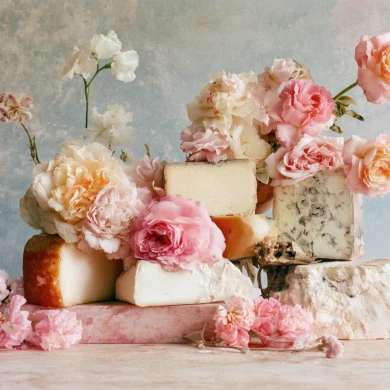
And I couldn’t finish without coming back to the French cheese board one of you mentioned at the beginning. A French cheese board would be a wonderful contribution to Thanksgiving, particularly if you’re invited and would prefer to bring something that doesn’t require cooking.
In France, we traditionally serve cheese after the main course and before dessert. For Thanksgiving, however, I imagine it might be more practical to offer it before dinner, while everyone is arriving, provided your host agrees. You don’t need a great number of cheeses. I would choose three to five, each with a different texture and character: perhaps a creamy Brie or Camembert, a good Comté, a fresh goat’s cheese, and something a little more assertive, such as Fourme d’Ambert. Add some fresh bread, a few walnuts or grapes, and you’re all set. I’ve shared more about how I choose cheeses, including some of my favorites from the French Alps, in How to Create a French Cheese Board.
A Little Something to Share
I hope these recipes have given you one or two ideas for Thanksgiving, whether you’re doing the cooking yourself or have been invited to share the meal with family or friends. And if you’re preparing the table this year, you might enjoy my article on the French way of setting the table, inspired by a little Christofle booklet from the 1950s that I found in my family home. I’ve also shared seven French holiday outfits in Les Édits Privés, including an idea for Thanksgiving, if you’re wondering what to wear.
But I’d especially love to hear about your own Thanksgiving traditions. Is there a dish your family would never dream of changing? Or perhaps something you introduced one year that has since become a tradition of its own?
Thank you, as always, for sharing your stories and traditions with me. And to all of you celebrating, I wish you a very happy Thanksgiving.