L’Almanach
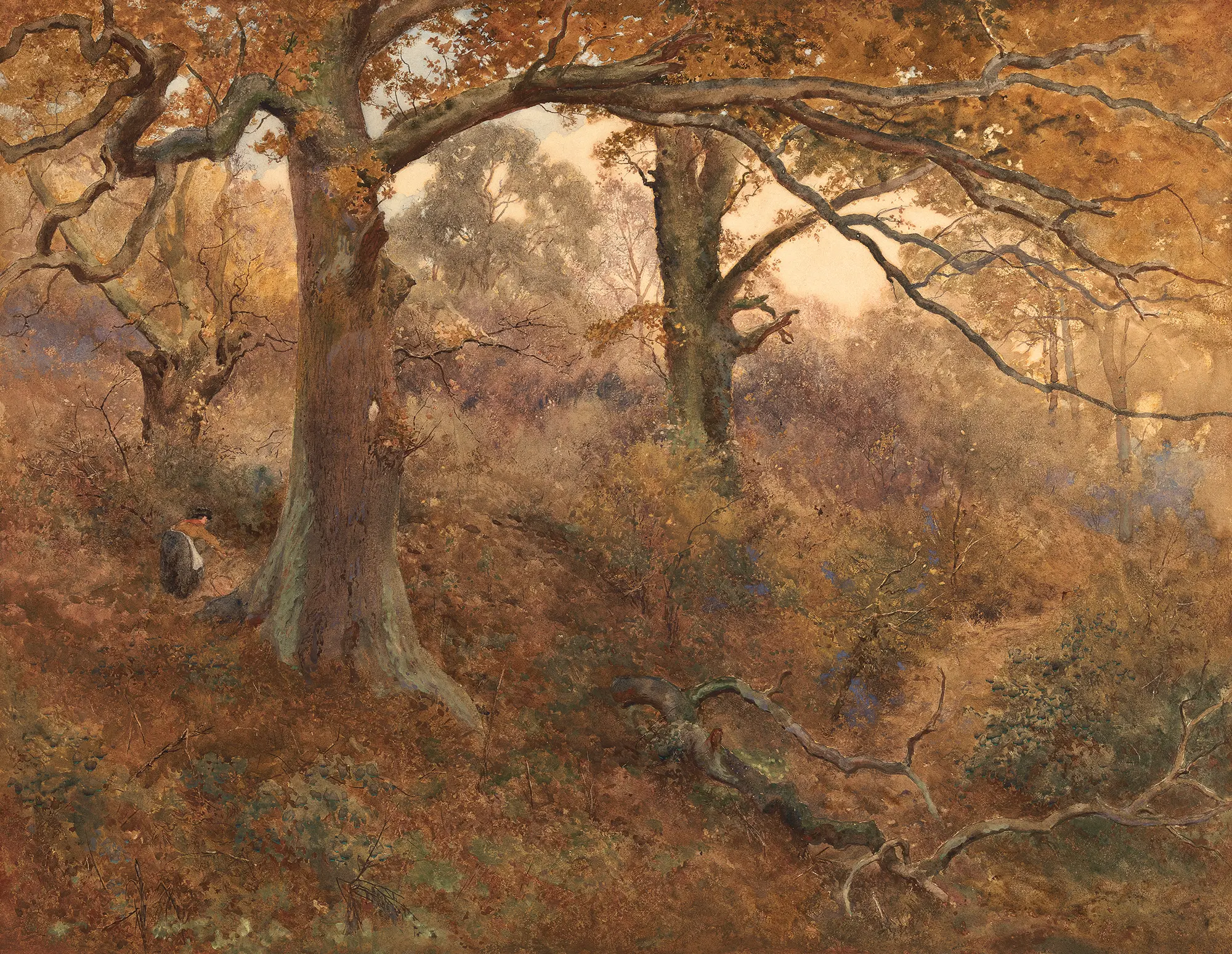
Autumn Edition 2026
A seasonal companion, with things to notice, taste, read, listen to, and do before winter arrives.
Inside this Autumn Almanach, you’ll find a letter from me, music for darker evenings, things not to miss at the market, a hazelnut cake to bake, a November dinner to make for friends, books for nights in, curious objects to bring home, an autumn escape, celestial dates worth looking up for, and a few small rendez-vous with the season between now and the first day of winter.

My dear reader,
I don’t think you need me to teach you how to love autumn. Autumn is very good at making itself loved. All it takes is a morning that feels a little colder than the one before, a ripe pear at the market, the smell of damp earth and moss after the rain. The days grow shorter, windows begin to glow earlier, and after months of summer indifference, our homes slowly become refuges again.
There is something almost theatrical about the season. Everything changes, and yet nothing really moves. The light fades, the colours deepen, the trees slowly let go of their leaves and, as the world outside seems to lose some of its substance, our interiors gain a little more. We light candles again. We close the windows. Life draws in, and somehow becomes larger.
But perhaps we don’t need another reason to love autumn. Perhaps we simply need someone to remind us where to look.
It was the weekend of October 31st. The air was cold and dry, with a little mist hanging over the city. Daylight disappeared far too early, and windows began to glow before the afternoon was quite over. The narrow passages grew darker as the light faded, and on Charles Bridge the old statues seemed to watch the people passing beneath them in the grey evening. Prague was deliciously sombre, as though, for a few days, the city had begun to resemble its legends more than itself.
And yet it isn’t the grand things I remember most. I think of the painted ceiling above our bed. A lamp glowing in a room that had grown dark in the middle of the afternoon. The sound of our footsteps on the cobblestones. The cold morning air against my face. The warm smell of cinnamon that, for reasons I still cannot quite explain, reminded me of childhood. Café windows already lit while a little daylight still remained outside.
Such small things. They are what stayed with me.
I think seasons become memorable in much the same way journeys do. Not because everything we experience is extraordinary, but because certain details, for reasons we never quite understand, attach themselves to us. At the time, they seem almost insignificant. Then time does its work. A scent, a lamp left glowing, a few footsteps down an unfamiliar street become something precious.
Memory is a strange thing. We try to hold on to it, but nothing ever preserves it completely. With time, some details fade while others become sharper. A memory may become less exact, perhaps, but more intimate. What we lived slowly stops belonging to the outside world and begins to exist almost entirely within us.
Perhaps that is why certain memories become so dear. They are at once among the things we possess most completely and the things we are least able to keep.
That is what I would like to preserve a little more carefully. Those things that seem almost ordinary while they are happening, but to which time may eventually give another value. The things we hurry past because they do not yet know they are going to become memories.
And yes, of course, none of this will change a life. And yet I increasingly think that a life is made of precisely these things. Small things we might otherwise have missed. Pleasures put off until later. A taste, a certain light, a conversation, an unfamiliar street. Everything that seems almost insignificant until, one day, it no longer is.
So this autumn, I would like us to move a little less quickly.
This Almanach is my collection for you, and for the three months ahead: a few things to taste while they are still in season, old stories to read and retell, curious objects to bring into your home, music for the darkening afternoons, a dinner to make for friends, a city to escape to, and a few nights when I hope you will remember to look up.
Take what draws you in. Leave the rest. But perhaps, this time, don’t only read. Open the book. Take the train. Invite someone to dinner on a November evening. Light the candle before it is quite dark outside.
And when winter arrives, I hope that at least one of these small things will have stopped belonging to this Almanach and become a memory that is yours alone.
With affection,
Léonce
Press Play

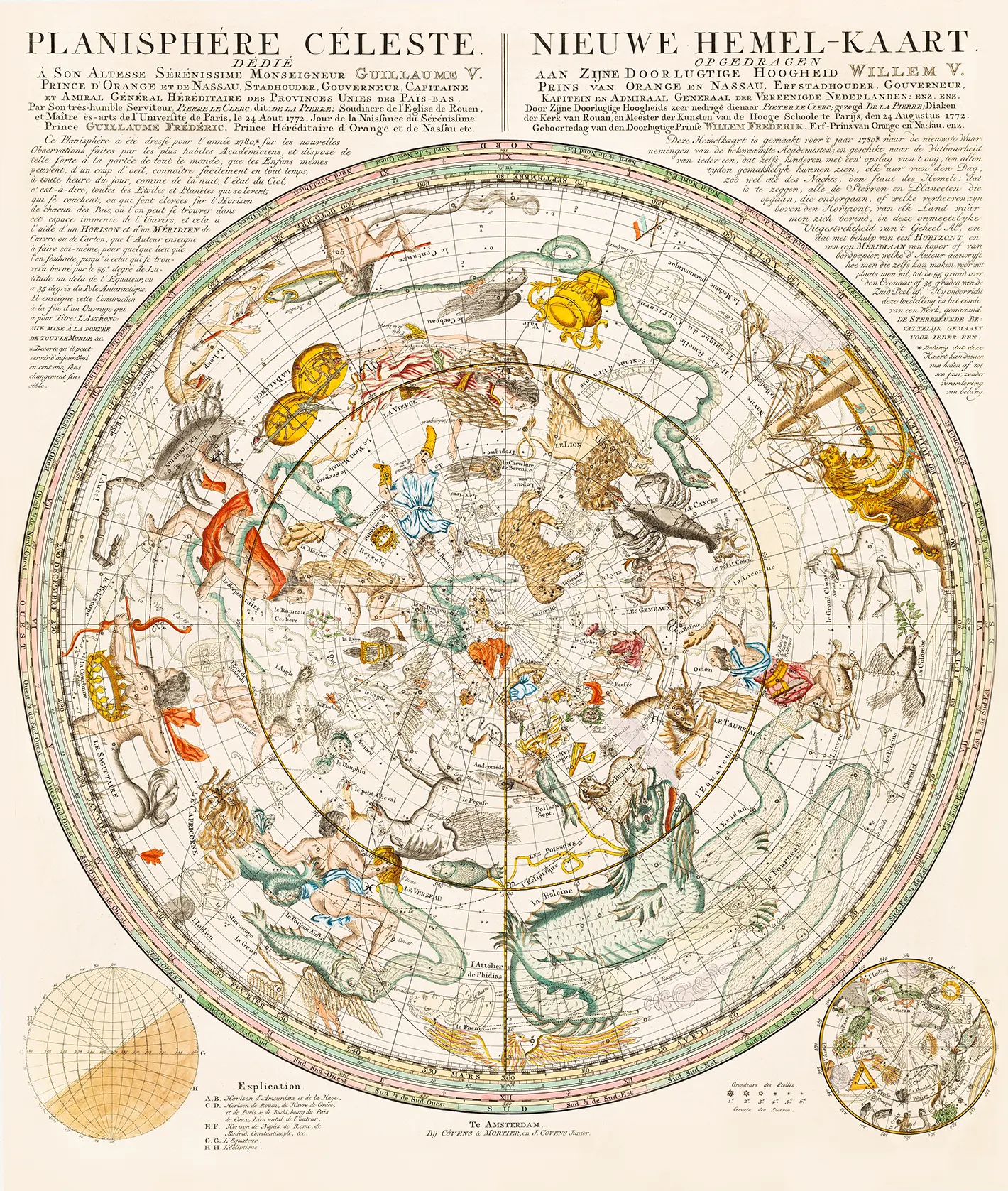
Les Phénomènes Célestes
September 26 · The Harvest Moon
The first full moon of autumn rises just after sunset. If the sky is clear, look east as evening falls.
October 4 · Saturn at Opposition
Saturn will be at its brightest and visible throughout the night. To the naked eye, it will look like a steady golden point of light. No telescope required, just a clear sky and a reason to look up.
November 11–12 · The Northern Taurids
A quieter meteor shower, but one known for slow, unusually bright fireballs. This year, the moon should leave the sky dark enough to see them well. Go outside after midnight, let your eyes adjust, and simply watch.
November 24 · The Beaver Supermoon
November’s full moon will appear a little larger and brighter than usual. By then, most of the leaves will have fallen and the trees will be reduced to silhouettes. There is something especially beautiful about a November moon seen through bare branches.
December 13–14 · The Geminids
If you choose only one meteor shower this autumn, choose this one. The Geminids are among the most spectacular of the year, and 2026 should offer particularly good viewing conditions. Wrap up warmly, find somewhere dark, leave your phone in your pocket, and look up for twenty minutes.
December 21 · Winter Solstice
The longest night of the year, and the end of this Almanach. From here, almost imperceptibly at first, the light begins to return.
Au Marché
This autumn, look for the things that appear only briefly, the ones that seem to belong to these few weeks and no others.
Quinces
Buy them when you see them. Their season is brief, and even before you cook them, they will perfume a room. I like leaving one or two in a bowl for a few days before turning them into quince jelly, a simple compote, or pâte de coing to serve with cheese.
Fresh walnuts
For a few short weeks in early autumn, walnuts are still fresh, pale and almost milky inside. They are softer and more delicate than the dried ones we eat for the rest of the year. I would serve them with pears and cheese, add them to an endive and blue cheese salad, or bake them into a walnut tart.
Cèpes and wild mushrooms
If you find beautiful cèpes, do very little to them. Slice them thickly and cook them in a pan with butter, garlic and parsley until just golden at the edges. Spoon them over toasted country bread, or serve them with roast chicken or softly scrambled eggs.
Chestnuts
Their season always seems to arrive at exactly the right moment, just as the evenings turn colder and we begin to want warmth again. Roast them and eat them while they are still hot, add them to a velouté with pumpkin or celeriac, or roughly crush them into a stuffing for roast poultry.
Pears
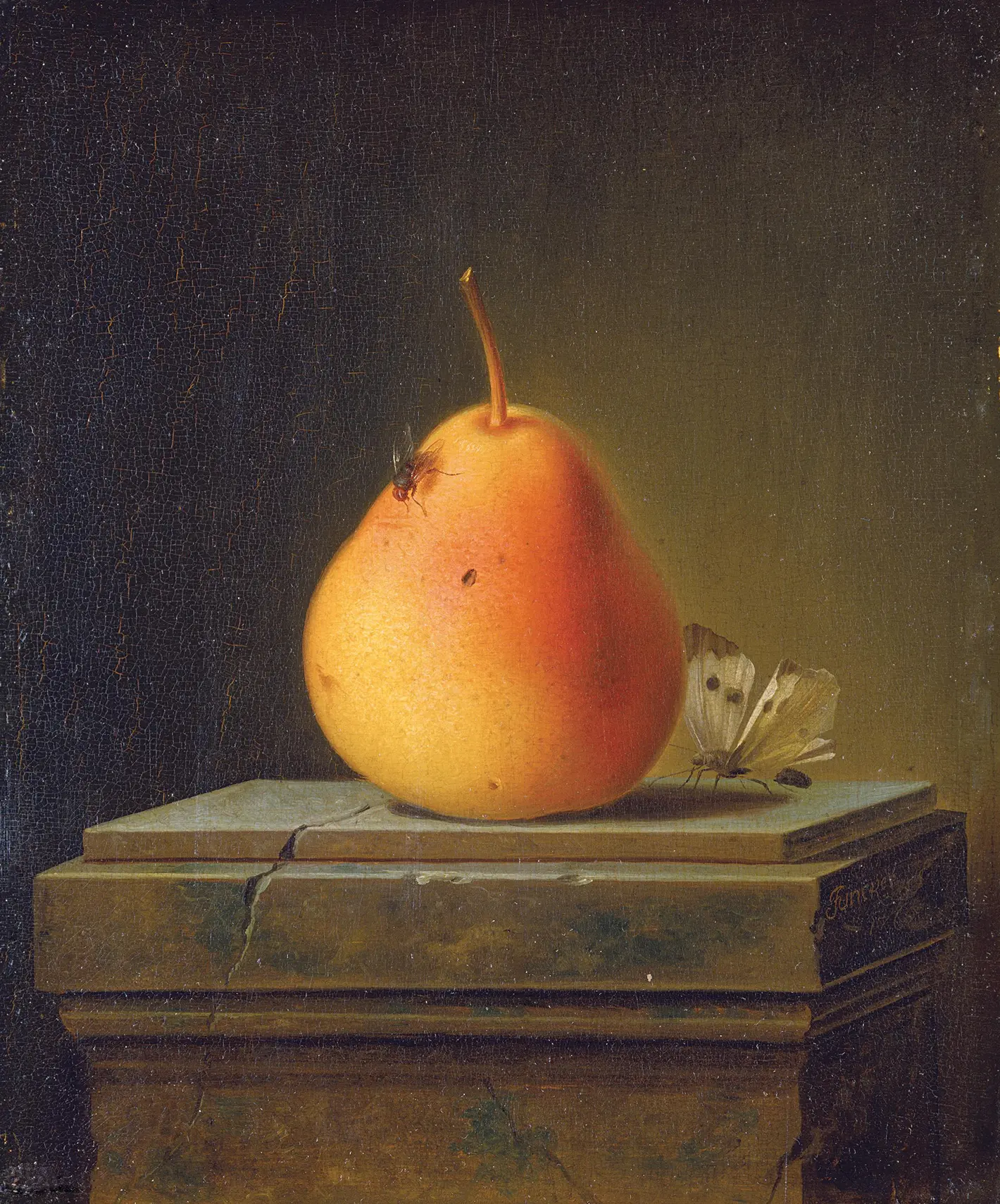
I think pears belong to autumn more quietly than apples do. At their best, they need almost nothing. Eat them as they are, poach them in red wine, bake them with a little butter and honey, or make Poires Belle-Hélène.
Pumpkins and squash
Not for decoration. For dinner. I like the smaller, denser varieties best: roasted until the edges caramelise, baked into a gratin with cream and nutmeg, or made into a soup finished with crème fraîche, sage, or toasted hazelnuts.
Persimmons
By late autumn, when much of the market has turned brown, green and gold, persimmons arrive in that almost improbable orange. Wait until they are perfectly ripe, then eat them with a spoon, slice them into a salad with bitter leaves, or serve them with thick yogurt and toasted nuts.
Late apples
Look for varieties with acidity, fragrance and a little character rather than perfect sweetness. These are the apples I want for tarts, compotes, baked apples, or a simple cake on a Sunday afternoon.
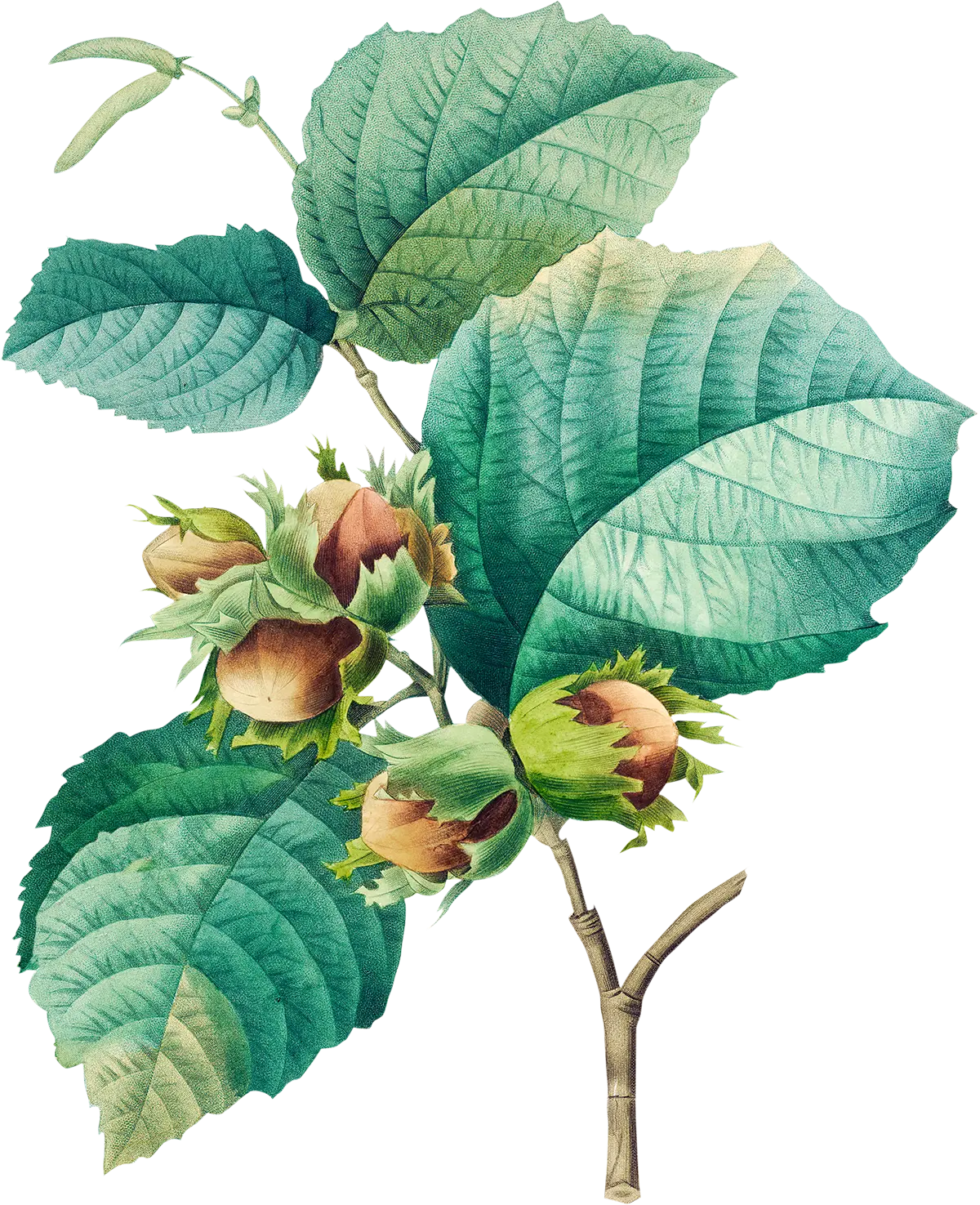
Hazelnuts
Fresh hazelnuts are another small pleasure of early autumn. Eat them as they are, toast them until fragrant, scatter them over roasted vegetables or a salad, or save them for the cake that comes next.
If there is one rule I would keep for the autumn market, it is this: when something appears only briefly, do not wait too long.
Take it home while it is here.
L’Aveline
Soft hazelnut roulé with a fine spiral of chocolate-hazelnut cream.
Aveline is an old French word for hazelnut, and the name felt just right for this cake.
The recipe began with a nineteenth-century gâteau aux avelines by the French pastry chef Pierre Lacam. I made it out of curiosity and found myself liking the idea of the cake more than the cake itself. What I wanted to keep was the flavour of toasted hazelnuts; everything else slowly changed.
Eventually, the original cake almost disappeared. What remained was the hazelnut.
I turned it into a light, supple sponge and added a fine spiral of chocolate-hazelnut cream inside. It is soft, deeply nutty and deliberately not too sweet, the kind of cake I would cut into thin slices with coffee on a cold afternoon and somehow go back for one more.
I called it L’Aveline, both as a small nod to the recipe that started it all and because I love the old-fashioned idea that a cake might have a name of its own rather than simply describe what it contains.
This one is now very much its own cake.
Ingredients
Serves 6–8
For a baking sheet approximately 30 × 40 cm / 12 × 16 in
For the hazelnut sponge
80 g whole hazelnuts
5 large eggs, separated
80 g fine granulated sugar, divided
40 g all-purpose flour
15 g cornstarch
20 g unsalted butter
2 g fine sea salt
For the filling
120 g Nocciolata or another good chocolate-hazelnut spread
A small pinch of fleur de sel, optional
Preparation
Preheat the oven to 155°C / 310°F, conventional bake. Toast the hazelnuts for 10–12 minutes, then rub off most of the skins and leave them to cool completely. Blend them finely with the flour and cornstarch, stopping before the nuts begin to turn into a paste.
Increase the oven to 175°C / 350°F, conventional bake and line a 30 × 40 cm / 12 × 16 in baking sheet with parchment.
Beat the egg yolks with 55 g sugar for 4–5 minutes, until pale, thick and ribbon-like. In a separate bowl, whisk the egg whites with the salt until foamy, then gradually add the remaining 25 g sugar and continue whisking until soft, glossy peaks form.
Fold one-third of the whites into the yolks to loosen them. Then gently fold in the hazelnut mixture and remaining whites in two additions, alternating between them. Mix two spoonfuls of batter with the melted butter, then fold this back into the bowl.
Spread the batter evenly over the prepared sheet and bake for 9–11 minutes, until lightly golden and springy to the touch. Do not overbake: the sponge should remain soft enough to roll without cracking.
Immediately turn the sponge onto a fresh sheet of parchment, peel away the baking paper, then roll it while still warm, keeping the fresh parchment inside. Leave to cool completely.
Carefully unroll the sponge and spread with Nocciolata in a thin, even layer. Add a tiny pinch of fleur de sel, if you like. Roll again without the parchment inside, wrap, and refrigerate for 1 hour. Take L’Aveline out of the refrigerator 20–30 minutes before serving.
Un Soir de Novembre
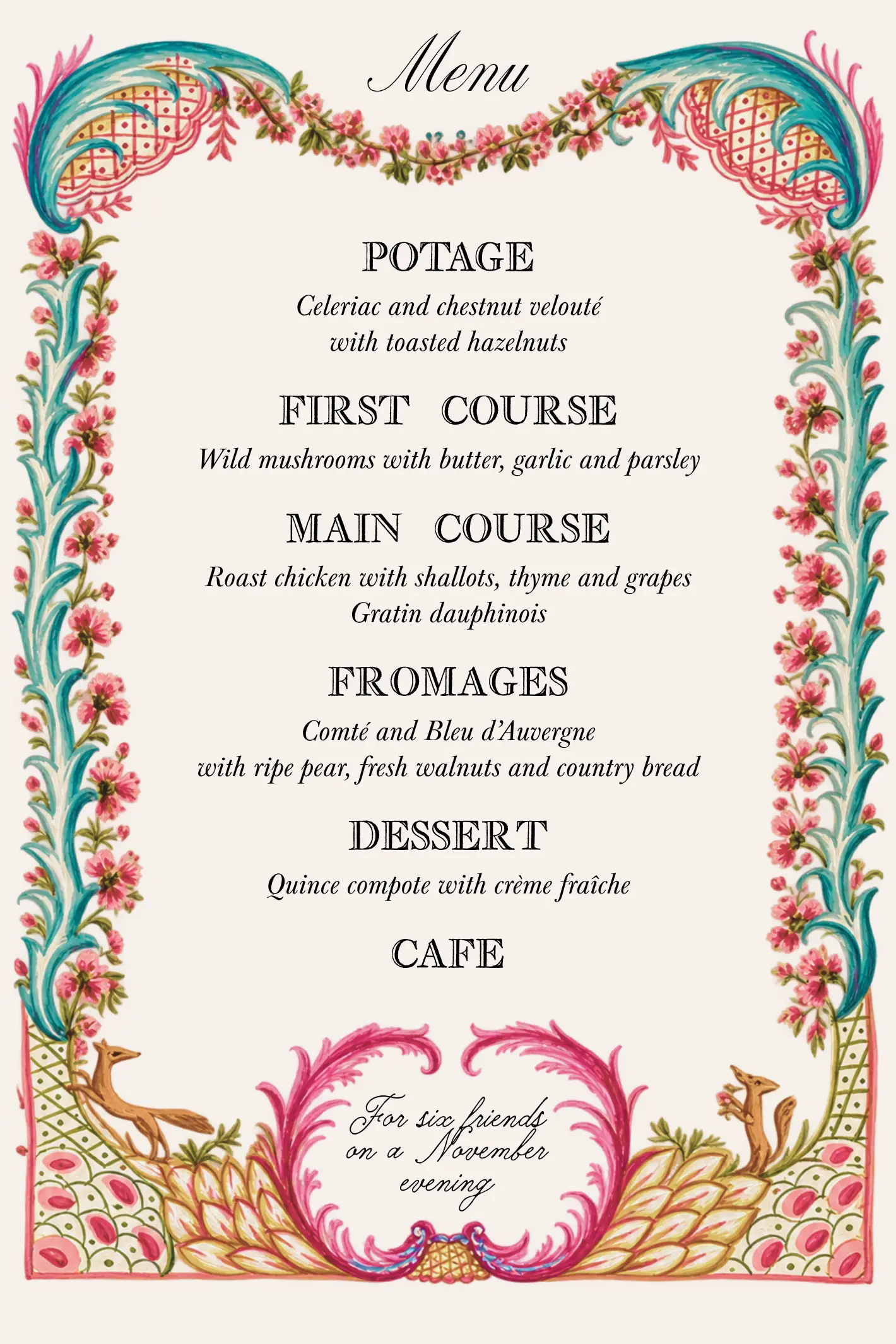
If six friends were coming for dinner on a cold November evening, this is what I would make.
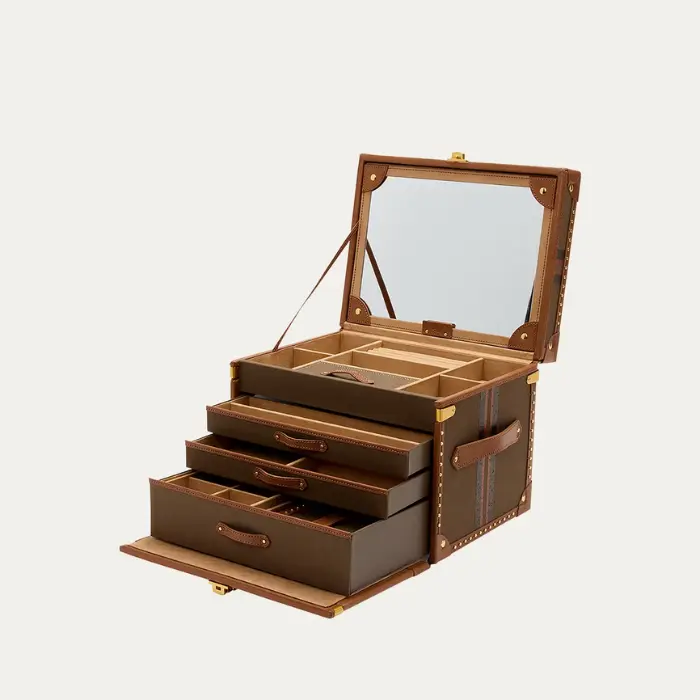
Curiosités d’Automne
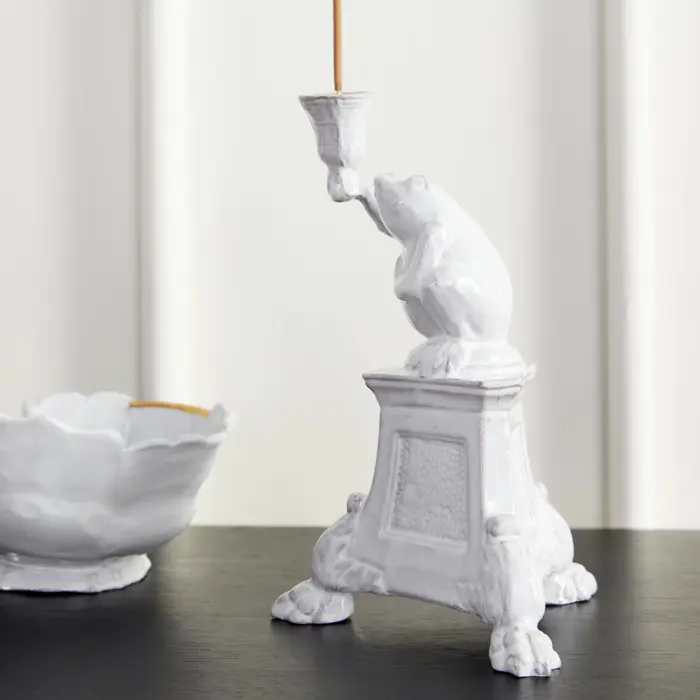
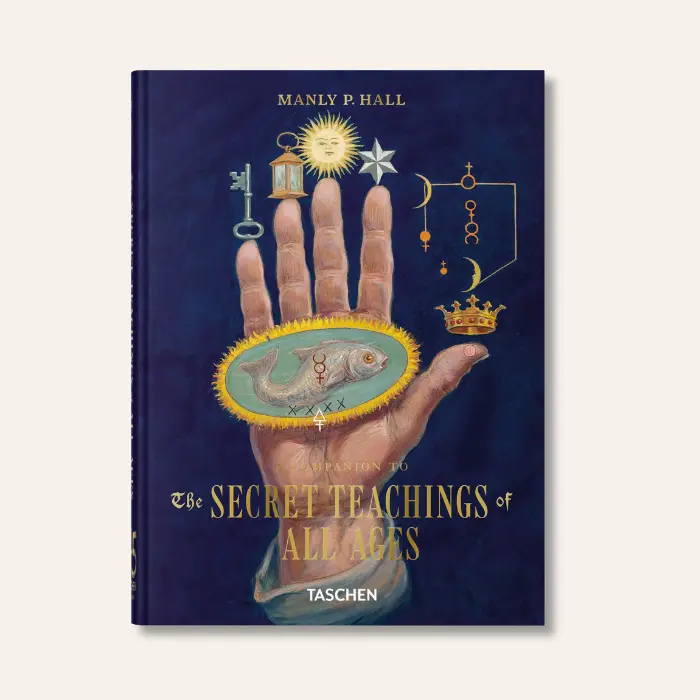
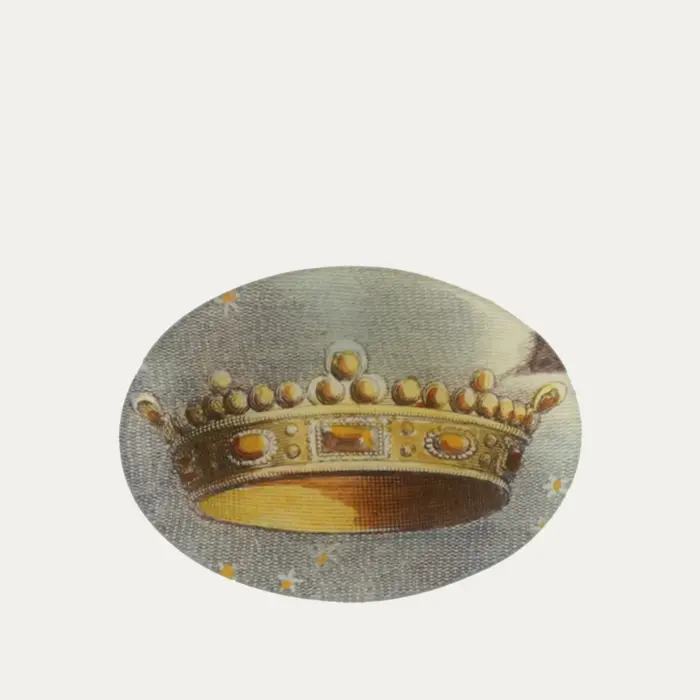
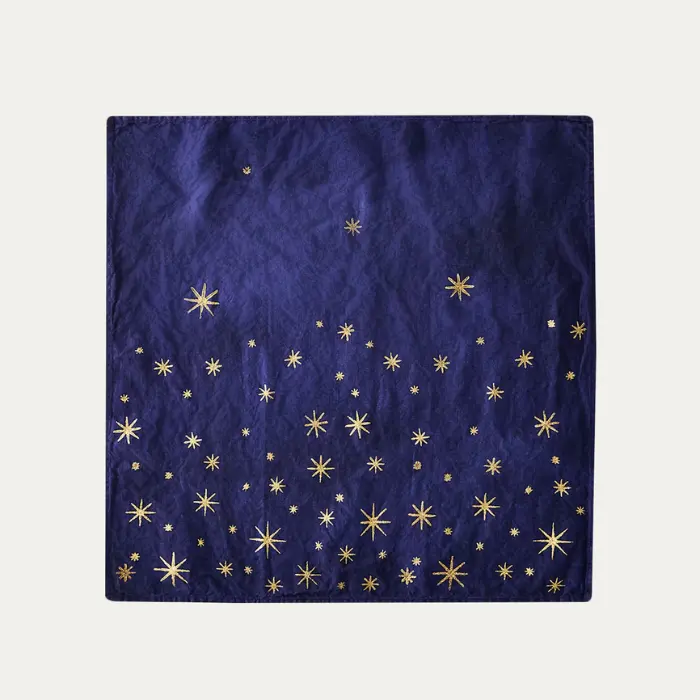
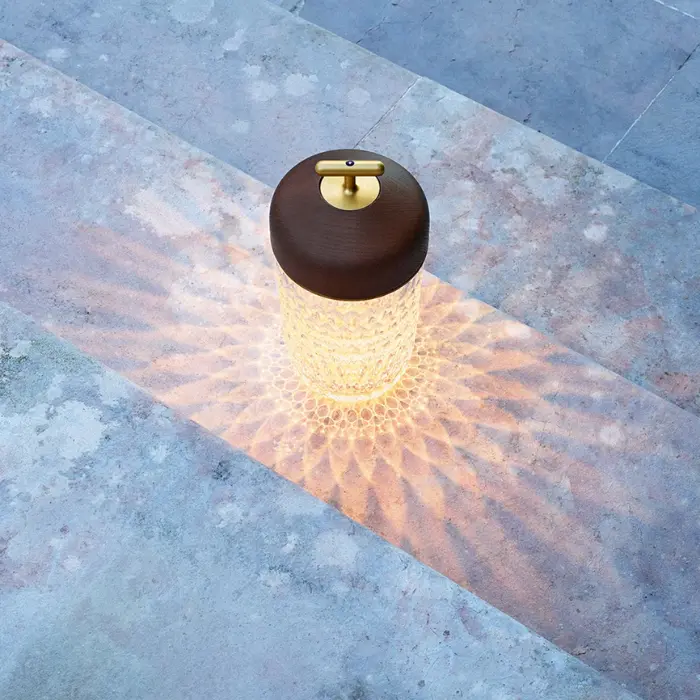
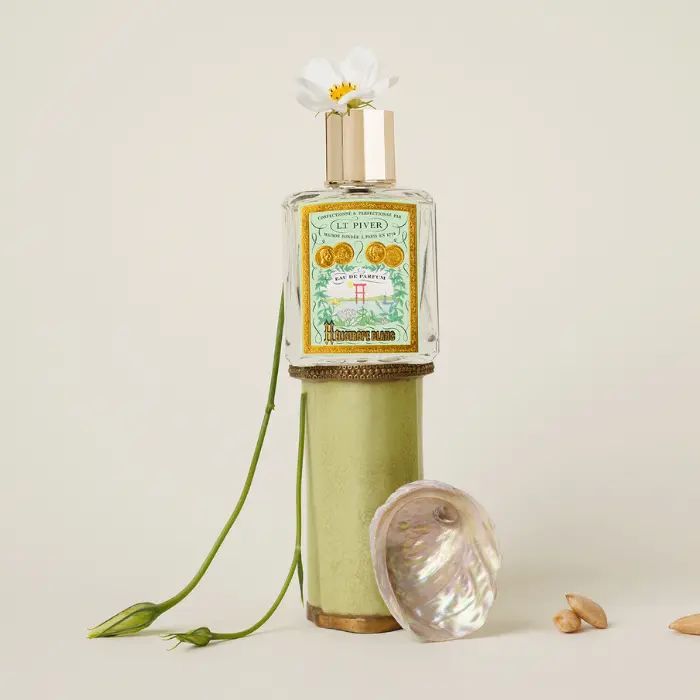
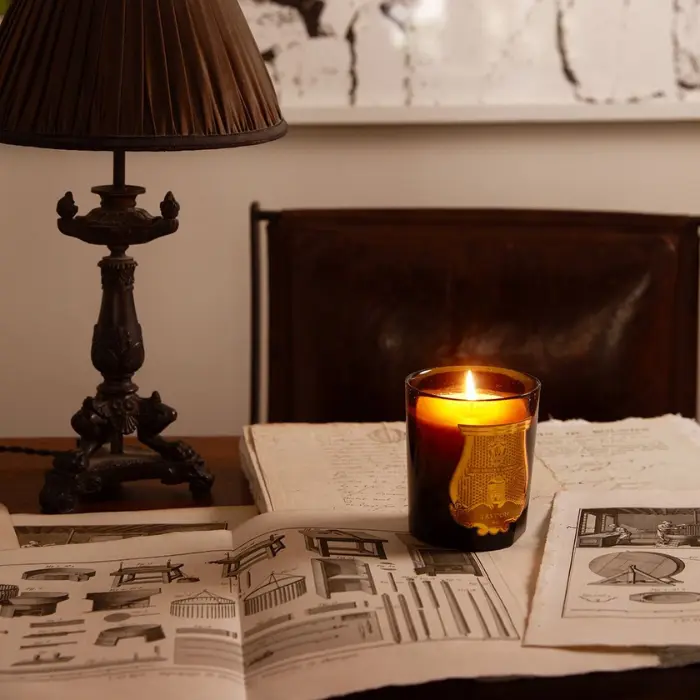
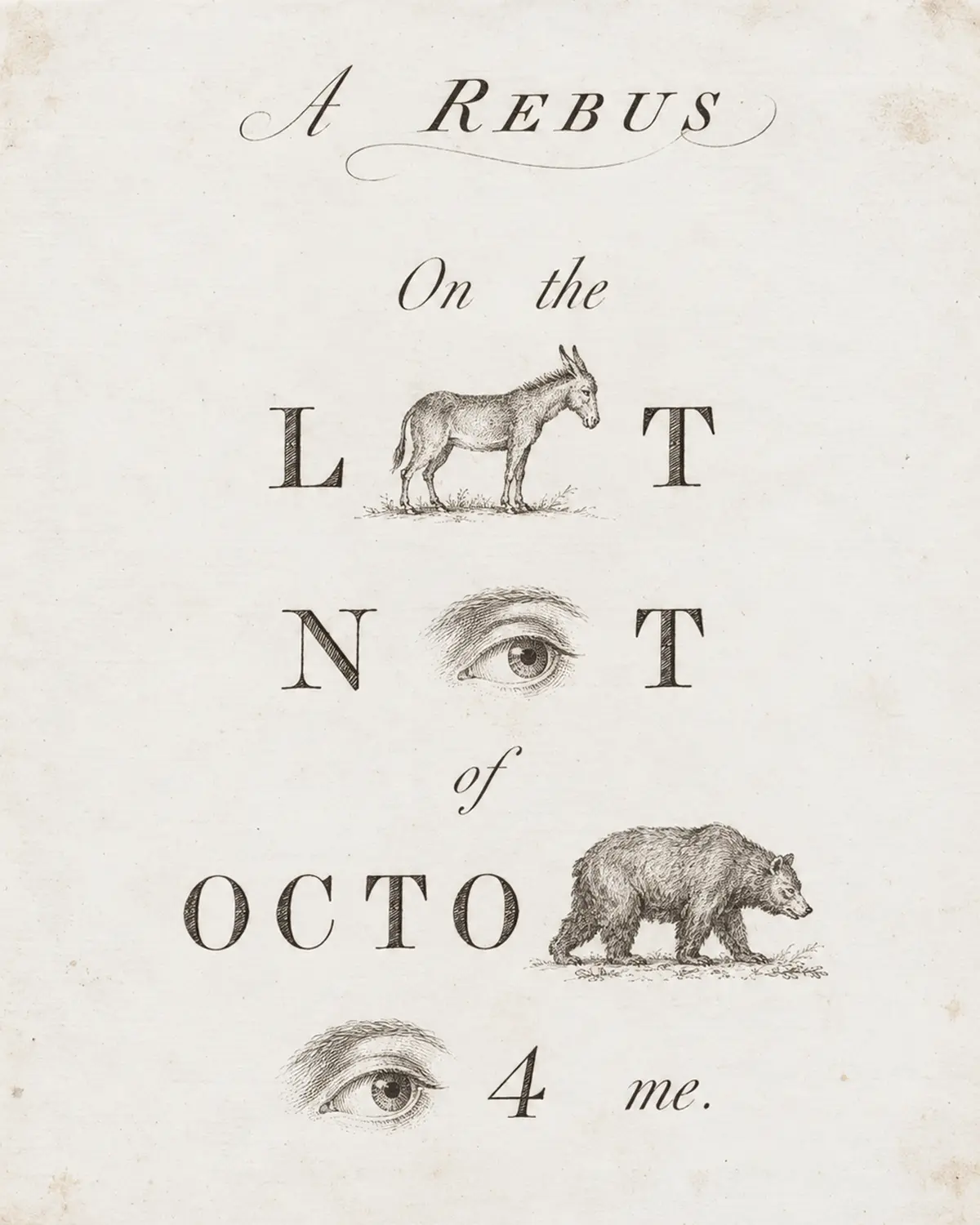
Eight curious objects for the darker months, chosen not because we need them, but because they make the season feel a little more mysterious.
À Lire Après la Nuit Tombée
Three books for the darker evenings, chosen for their shadows, strange beauty, and the worlds they leave behind after the last page.
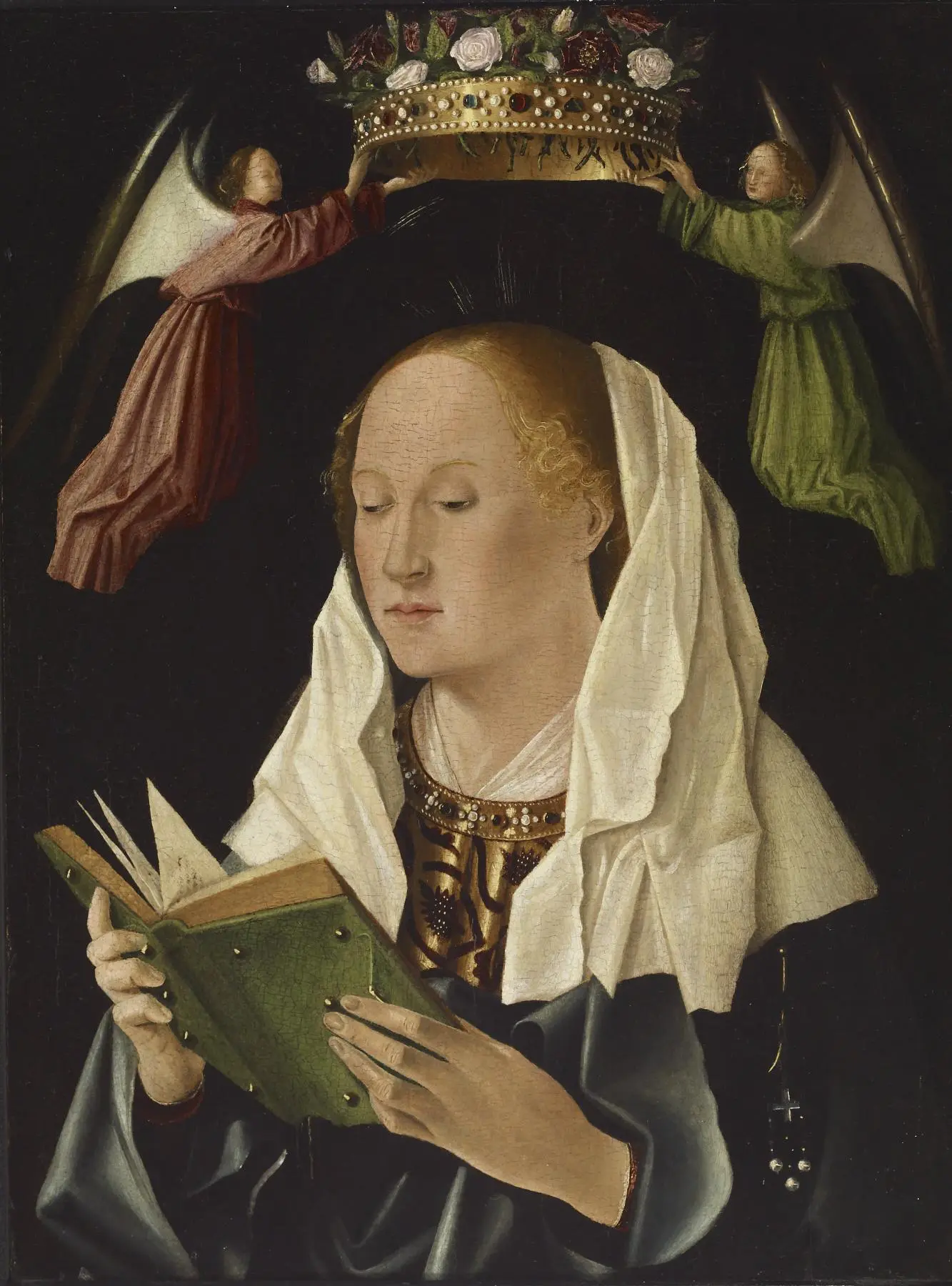
Honoré de Balzac, The Wild Ass’s Skin
For Paris after dark, dangerous wishes, and the unsettling idea that getting everything you want may be the quickest way to lose it.
Emily Brontë, Wuthering Heights
For wind across the moors, old houses, restless spirits, and one of literature’s most unsettling love stories.
Théophile Gautier, The Dead Woman in Love
For candlelight, forbidden desire, and one of those stories that begins like a dream and grows quietly stranger the longer the night goes on.
Échappée · Kraków
For old stones, early darkness, hidden courtyards, and the feeling that some cities still keep part of themselves secret.
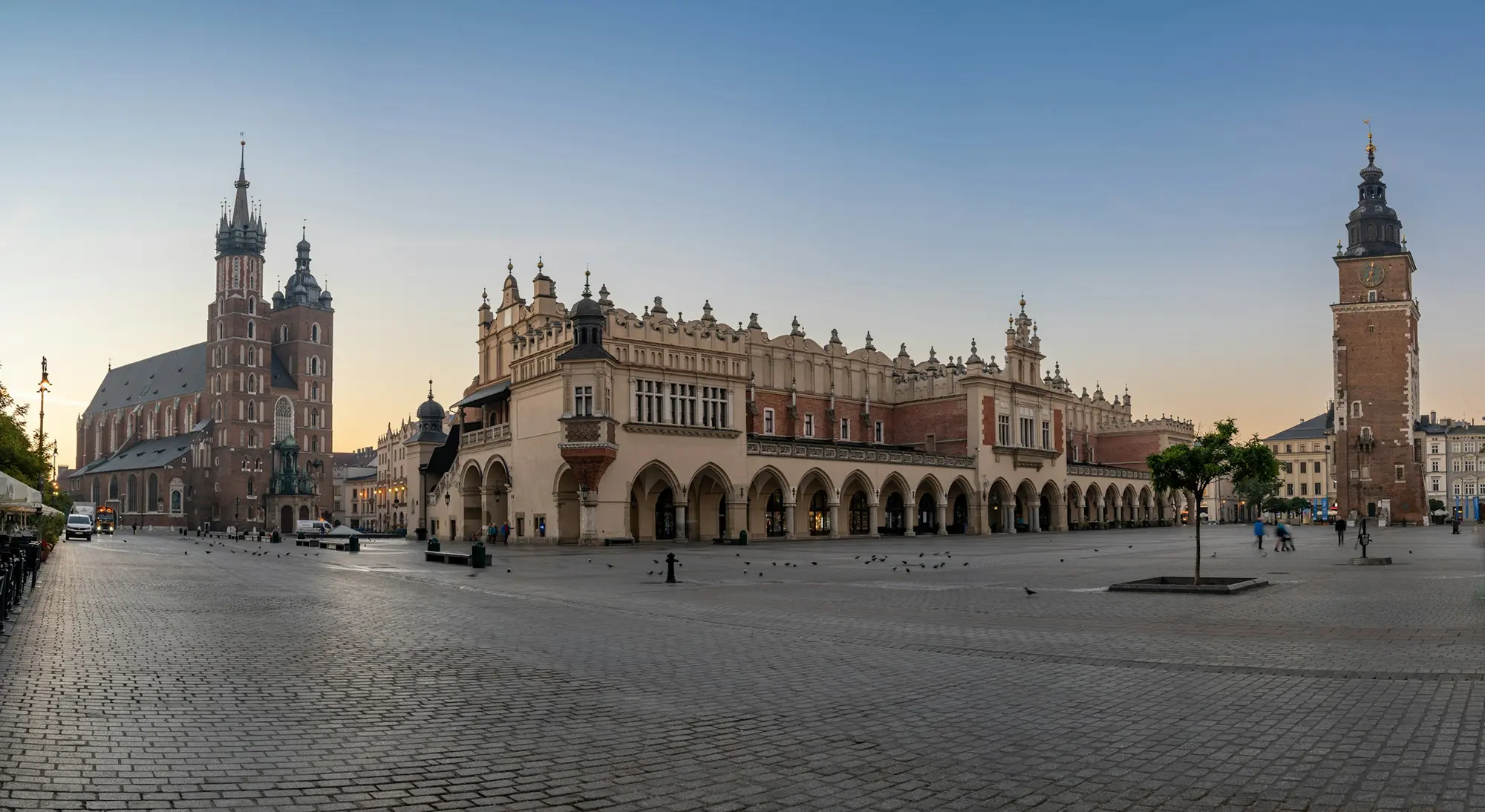
If I were choosing one city for an autumn escape this year, I think I would go to Kraków.
Perhaps because I loved Prague so much last October, I find myself drawn again to that part of Europe where cities seem to hold several centuries at once. Kraków has the quality I love most in a place: beauty, certainly, but also layers. Medieval streets, Gothic churches, old houses, legends that still belong to the landscape, and the sense that not everything reveals itself at first glance.
I would stay in the Old Town and walk as much as possible. Early in the morning, I would cross Rynek Główny before the square becomes busy, step inside St. Mary’s Basilica, then follow the Royal Route towards Wawel through Grodzka and Kanonicza. The latter is quieter, older in feeling, and ends with the castle appearing almost suddenly at the end of the street.
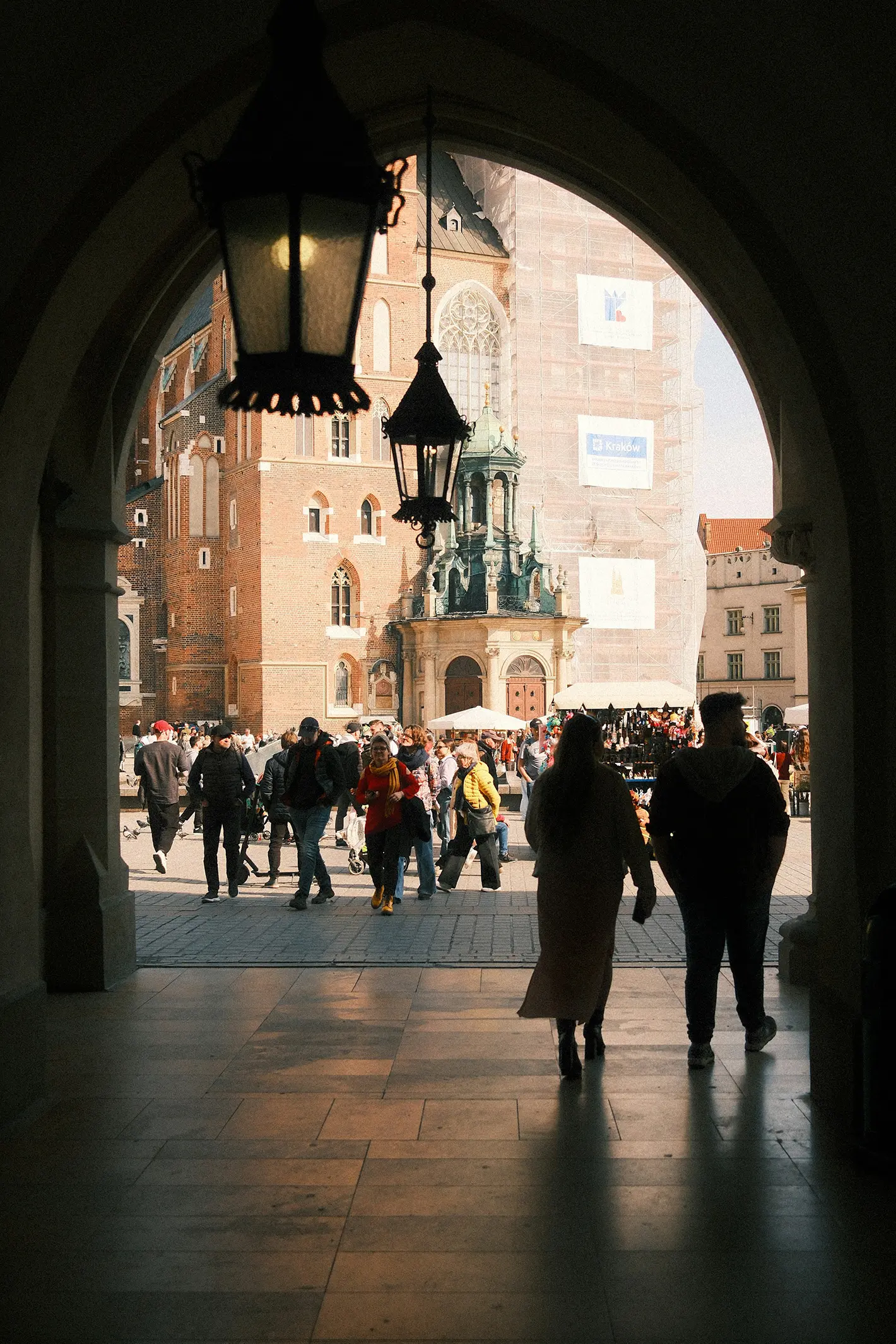
I would save Wawel for a colder afternoon. The hill gathers together the royal castle, cathedral, underground passages and centuries of Polish history, but what appeals to me most is that fact and legend still sit so close together here. Beneath the castle lies the Dragon’s Den, tied to Kraków’s medieval legend of the Wawel Dragon.
And I would spend part of a day in Kazimierz. Its beauty is less polished, more irregular. Around Szeroka, old synagogues, courtyards and cafés sit beside traces of a Jewish community that shaped the district for centuries.
For somewhere to stay, I would choose The House 14, directly on the main square. The building stands on medieval foundations dating back to 1373 and still contains oak ceilings, polychrome frescoes, antique stoves and a nineteenth-century staircase.
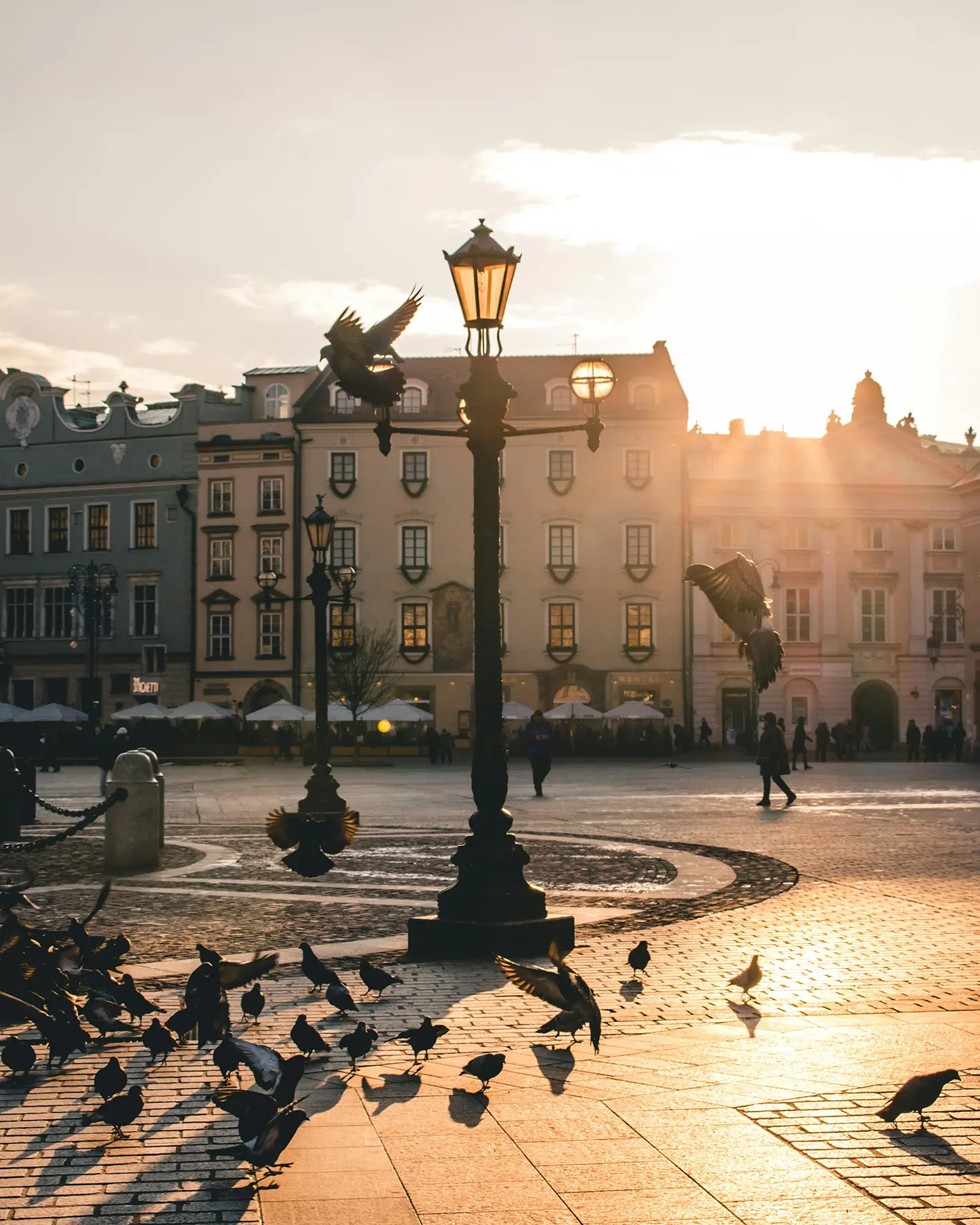
And I would leave some things entirely unplanned: a coffee somewhere warm after the cold, something sweet from a bakery, a church entered simply because the door is open, the sound of St. Mary’s trumpet call, a walk beside the Vistula before dinner, the first lamps coming on while there is still a little grey light left in the sky.
Perhaps that is the autumn journey I am looking for this year.
Not somewhere perfect.
Somewhere with enough shadows, stories and old stones to make me pay attention.

NovemBER
It has neither the brilliance of early autumn
nor December’s promise.
It stands between the two,
when one thing is already over
and the next has not yet begun.
It makes no effort to be loved.
At first glance,
it gives very little.
You have to stay awhile.
Long enough for your eyes to adjust,
for something you had missed
to come quietly into view.
I have grown wary
of things that know too well
how to present themselves.
And of that impatience in us
that makes us pass too quickly
past what does not.
Some cities need
a second walk.
Some books,
fifty pages.
Some people,
a little silence.
November asks for much the same.
It does not ask you
to find it beautiful.
Only not to leave too soon.
Léonce