
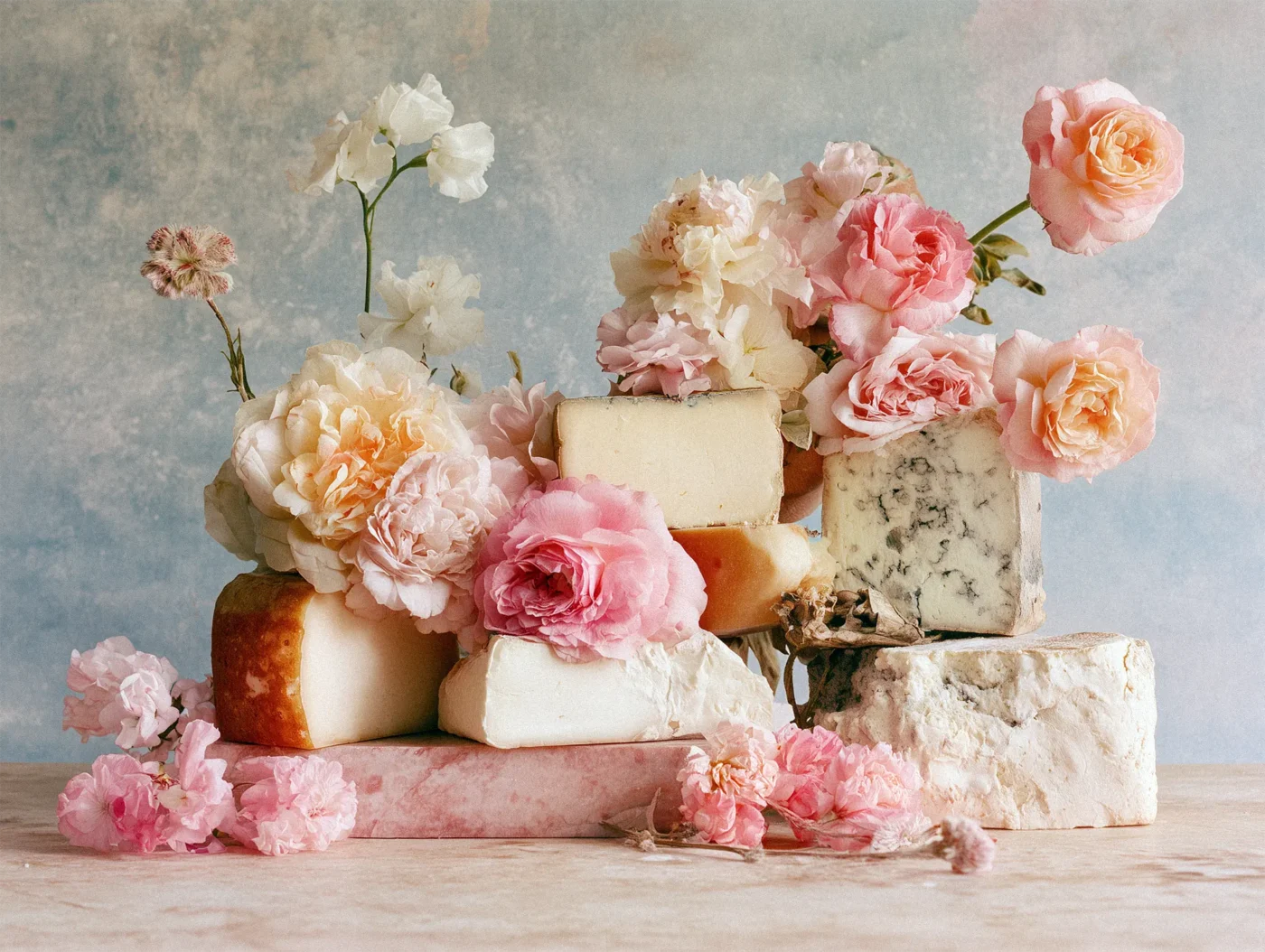
A few evenings ago, I came home carrying several small parcels of cheese folded in pale waxed paper. I had not planned dinner. I had simply stopped at the cheese counter, noticed a Fourme d’Ambert that looked particularly good and allowed the rest of the meal to form around it. I added a fresh goat’s cheese log, a Crémeux de Bourgogne just beginning to soften beneath its rind, a piece of Morbier and a Dutch Gouda aged for twelve months, firm and brittle, with the tiny crystalline crunches I love.
At home, I unwrapped everything on the kitchen table and found a wooden board. It was an ordinary meal assembled on an ordinary evening in Amsterdam, yet the gesture felt immediately familiar. I grew up in the French Alps, in a family where cheese belonged to the natural rhythm of the table. After the main course and before dessert, a box would come out of the refrigerator containing three, four or five different pieces: perhaps Tomme de Savoie, Reblochon, Beaufort or Abondance, alongside whatever else had been bought that week.
No one called it a cheese board. The box was opened, the bread was passed around and everyone chose what they wanted. There was no particular ceremony around it. Cheese was simply part of the meal, and often one of its most anticipated moments.
I still think about it in much the same way. Sometimes cheese closes a longer dinner. At other times, as it did that evening in Amsterdam, it becomes the meal itself. A few beautiful pieces, a crisp baguette and perhaps a green salad can feel wonderfully generous without asking very much of the cook.
There is no single correct French cheese board, but the ones I remember rarely felt random. Usually, one cheese set the tone, and the others were chosen around it.
Begin With One Cheese You Truly Want to Eat
That evening, I began with the Fourme d’Ambert. It is one of the cheeses I return to most often: blue, but not forbidding; creamy, savoury and gentler than Roquefort. Once I had chosen it, the rest of the board became easier to imagine. The fresh goat’s cheese would bring lightness and a little acidity. The Crémeux de Bourgogne would offer a rich, almost buttery softness. The Morbier would add a supple, earthier note, while the Gouda would bring firmness, sweetness and crunch.
This is usually how I compose a board. I begin with the cheese I most want to eat, or one I am curious to discover, then choose the others in relation to it. For a full board, I like five cheeses. It is enough to create variety without making the meal feel exhaustive. One can be familiar, another unexpected; one soft, another firm; one gentle and another with more character.
You might look for something creamy, something aged, something fresh or tangy, something aromatic and a blue. But this is only a starting point. A board of mountain cheeses may contain several firm cow’s milk cheeses, while a Loire selection may be almost entirely devoted to goat’s cheese. What matters is that the cheeses feel different enough to make tasting them together interesting.
I try not to choose several with almost the same texture and intensity simply because I like each one individually. They should have something to say to one another.
Decide What You Want the Board to Reveal
Sometimes the idea behind a board is geographical. A Norman selection might bring together Camembert de Normandie, Livarot, Pont-l’Évêque and Neufchâtel. A board from the Loire could compare goat’s cheeses at different stages of maturity, from fresh and delicate to drier and more pronounced. A mountain board might stay close to the cheeses I grew up with: Reblochon, Beaufort, Abondance, Tomme de Savoie and Bleu de Gex.
At other times, the pleasure lies in travelling through several regions at once. For friends who want to discover more French cheeses, I might choose Camembert de Normandie, Valençay, Comté, Ossau-Iraty and Fourme d’Ambert. Each brings a different texture, milk and landscape to the table.
And sometimes the board is simply personal, as mine was that evening in Amsterdam. The Fourme d’Ambert, chèvre, Crémeux de Bourgogne and Morbier reflected tastes formed in France; the old Gouda belonged to the place where I live now. The combination was not geographically pure, but I liked that. The food we love rarely belongs to only one chapter of our lives.
Living in the Netherlands has made me especially fond of old Gouda, particularly the darker, firmer wheels aged for twelve months or more, with their deep, almost caramelised flavour and tiny crystals that crack gently between the teeth. I am also regularly delighted to find a soft cheese reduced in price because it has become a little too ripe or assertive for the average shopper. For a Frenchwoman who likes her Brie and Camembert with some character, the reduced section can be surprisingly rewarding.
For that reason, I do not think every cheese on a French-style board must necessarily be French. The way the cheeses are chosen and shared matters just as much.
Allow the Cheesemonger to Surprise You
The best boards are not always planned down to the final piece before entering the shop. I may arrive hoping to buy a Camembert or a Comté, but I would rather leave with something the cheesemonger considers especially good that week than insist on a famous name that is not quite ready. Cheese is always changing. An under-ripe Brie and a properly matured one can feel like two entirely different cheeses. A goat’s cheese that is fresh and milky one week may become denser, drier and more pronounced as it ages.
So I prefer to arrive with an idea rather than an immovable list. I may know that I want five contrasting cheeses, or that I am building the board around one blue, one region or one type of milk. Then I leave room for a recommendation. This is often how the loveliest discoveries happen: a cheese you had never heard of may become the one everyone remembers, or the one you return to buy again a week later.
You do not need to know exactly what you want before you arrive. Part of the pleasure is asking what is particularly good, properly ripe or worth taking home that evening, then being guided towards something you might never have chosen on your own.
I also think about who will be eating the board. Enthusiastic cheese lovers may be delighted by a washed rind or a stronger blue. For guests less accustomed to assertive flavours, one truly pungent cheese is usually quite enough for the evening. The idea is simply to make everyone curious enough to taste.
Let the Cheese Keep Its Shape
Once the cheeses were chosen that evening, there was very little left to do. I placed them on a plain wooden board, large enough for each piece to keep its shape. The Crémeux de Bourgogne remained whole. The Morbier and Gouda stayed in generous wedges. Nothing needed to be cubed or sliced into identical portions in advance. A Camembert should still look like a Camembert. A wedge of Comté is more beautiful when it still suggests the wheel from which it was cut.
I also like to leave a little space around each cheese. It allows you to notice the different rinds, colours and textures, and it leaves enough room for everyone to cut a piece comfortably. A well-chosen board already feels generous. I arrange the cheeses loosely from the mildest to the strongest, usually moving clockwise. This gives the tasting a natural direction without making it formal. The exact order depends on the cheeses themselves: a very ripe Camembert may be more powerful than a gentle Fourme d’Ambert.
About thirty minutes before eating, I take the cheeses out of the refrigerator and leave them wrapped while they come to temperature. By the time they reach the table, the soft cheeses have relaxed and their aromas are beginning to open. Then I introduce them simply: what they are, where they come from and perhaps why I chose them. A short story is often enough to make someone curious about a cheese they might otherwise have passed over.
A Crisp Baguette, and Perhaps One Other Thing
Beside that Amsterdam board, I served the country loaf I had bought earlier in the day. But when I have the choice, nothing is better than a crisp baguette, still faintly warm from the bakery. For me, fresh bread remains the loveliest accompaniment to cheese. I place it in a basket or on a separate plate beside the board, where everyone can tear or cut what they need. Crackers can work very well for an aperitif-style board. When cheese is served at the table, however, I almost always prefer bread.
Beyond that, I keep things simple. A ripe pear beside a blue cheese, fresh figs in season, a few grapes or walnuts can be beautiful. Honey, quince paste or a preserve may be delicious with one particular cheese. I would choose one such pairing deliberately rather than add several condiments by habit, because part of the pleasure is being able to taste how different each cheese is.
If the board is dinner, a sharply dressed green salad is often enough to bring freshness. A little charcuterie and a few cornichons can turn it into a planche mixte, the kind of simple evening meal you might order in a Parisian bistro or wine bar with bread and something to drink. What I love is that so little is required to make the table feel abundant.
Pass the Board Around
When the board is ready, I prefer to bring it to the table whole. There is something convivial about passing it from one person to the next and allowing everyone to compose their own plate. Some will taste all five cheeses. Others will return repeatedly to the same one. Someone may discover that the cheese they expected not to like is the one they remember the following day.
This feels more natural to me than serving identical portions already arranged on individual plates. There is very little etiquette to remember. Cut each cheese with some consideration, rather than taking only the creamy centre of a Brie or the point of a wedge and leaving the less desirable part behind. Begin with the gentler cheeses if you want to notice the progression, but there is no need to make the evening overly formal. The pleasure of sharing the board matters more than getting every detail right.
That evening, I returned several times to the Fourme d’Ambert and the old Gouda. They had very little in common, yet each made the other more interesting: one soft and blue-veined, the other firm, sweet and crystalline. Part of the pleasure is noticing, as you eat, which cheeses make you return to one another.
Nor does a cheese board need an occasion or a table full of guests. Sometimes the pleasure begins simply with deciding that an ordinary evening deserves something good: stopping at the cheesemonger, choosing two or three cheeses, buying a baguette and arranging everything on a small board for a quiet evening to yourself. There is no need to invite anyone, set the table beautifully or make an occasion of it. It is a very small effort, but it changes the feeling of the evening.
The next time you pass a good cheese counter, choose one familiar cheese, one you have always wanted to try and a few others your cheesemonger believes are especially good that week. Pick up a fresh baguette, invite a few friends (or not) and let that be dinner.
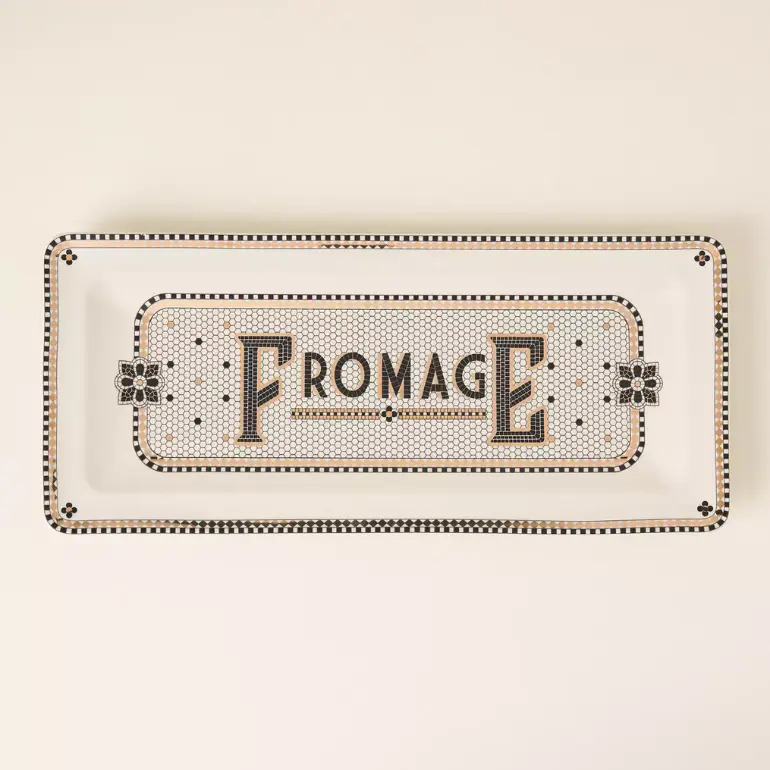
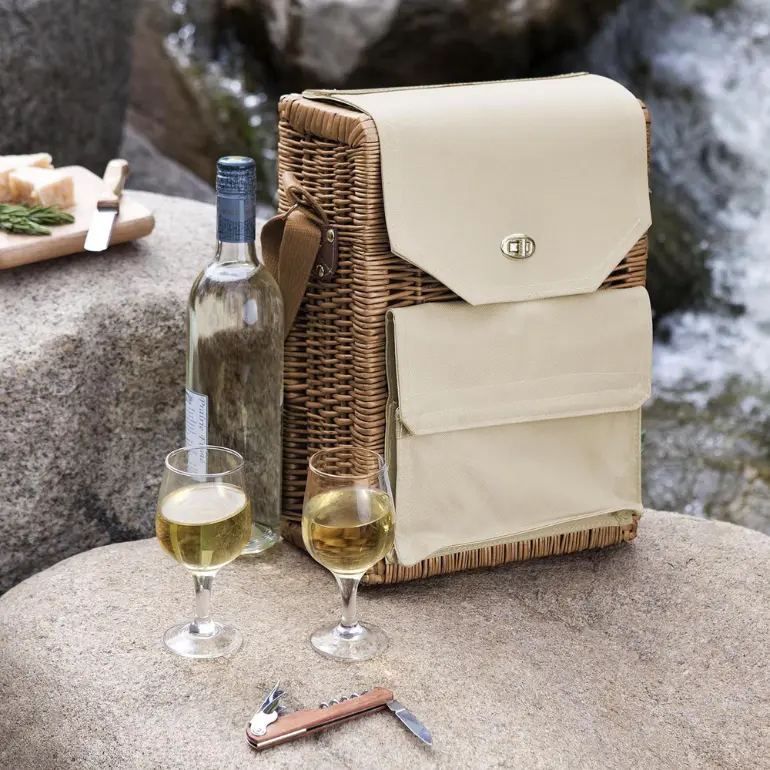
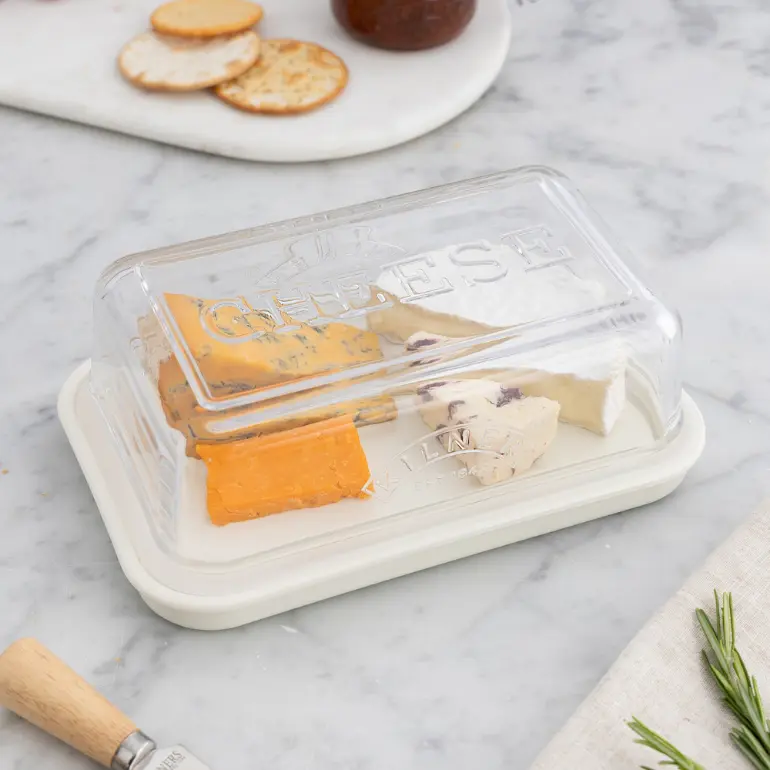
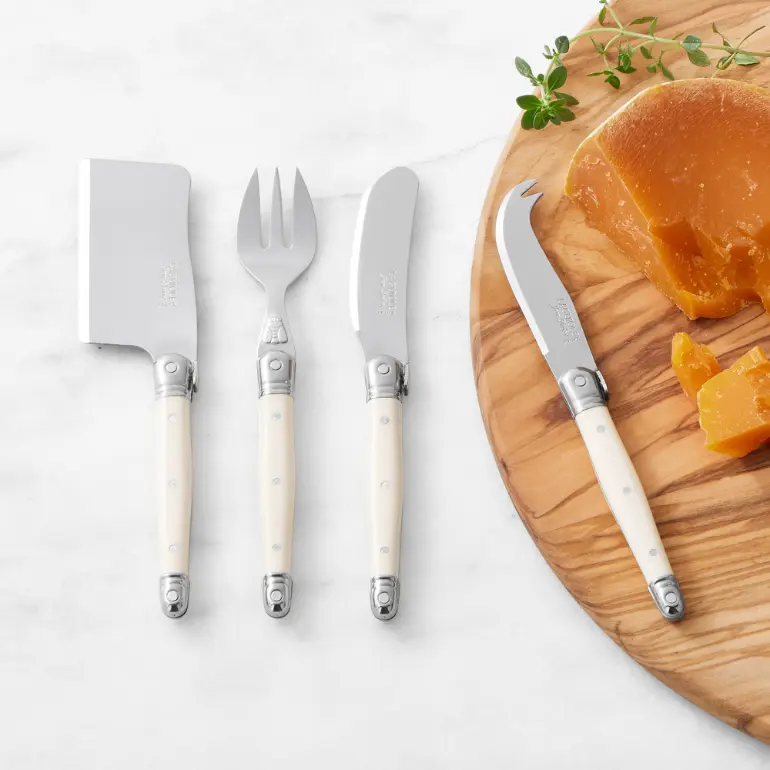
A Few Beautiful Things for the Table
This article is unsponsored. If you choose to buy something through my links, I may earn a small commission, always at no extra cost to you. I only share products I genuinely love and use myself. Merci.
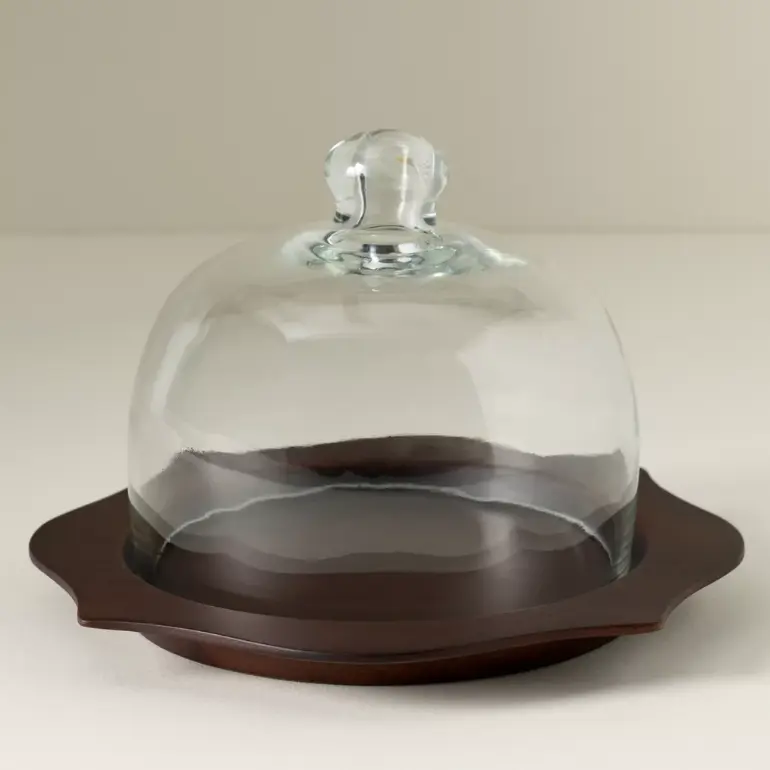
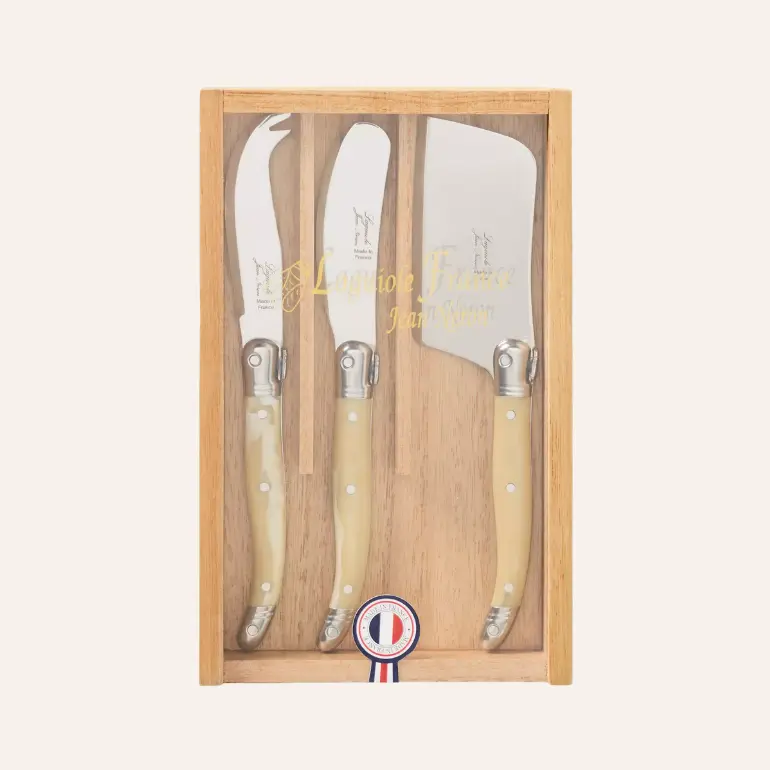
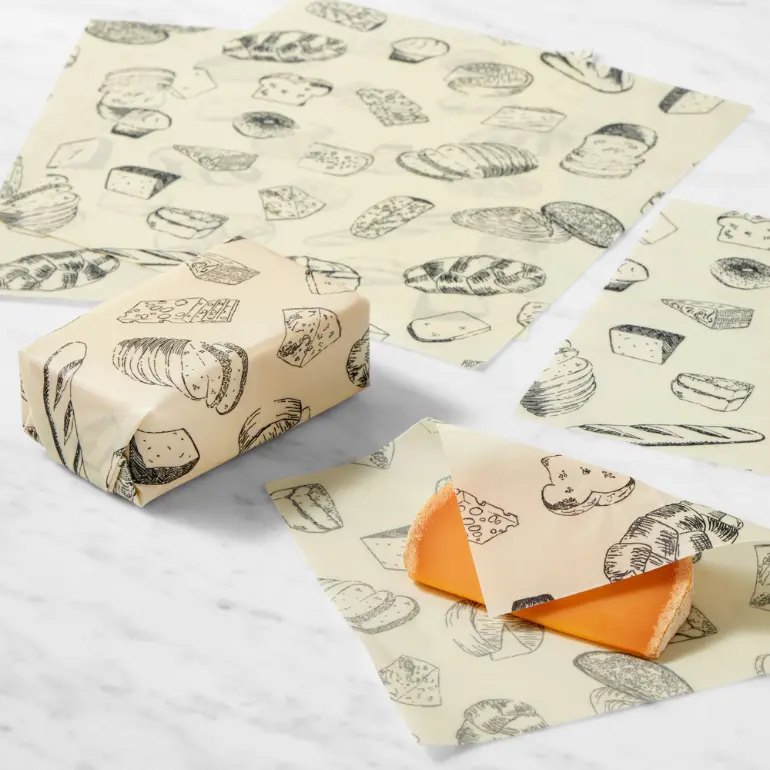
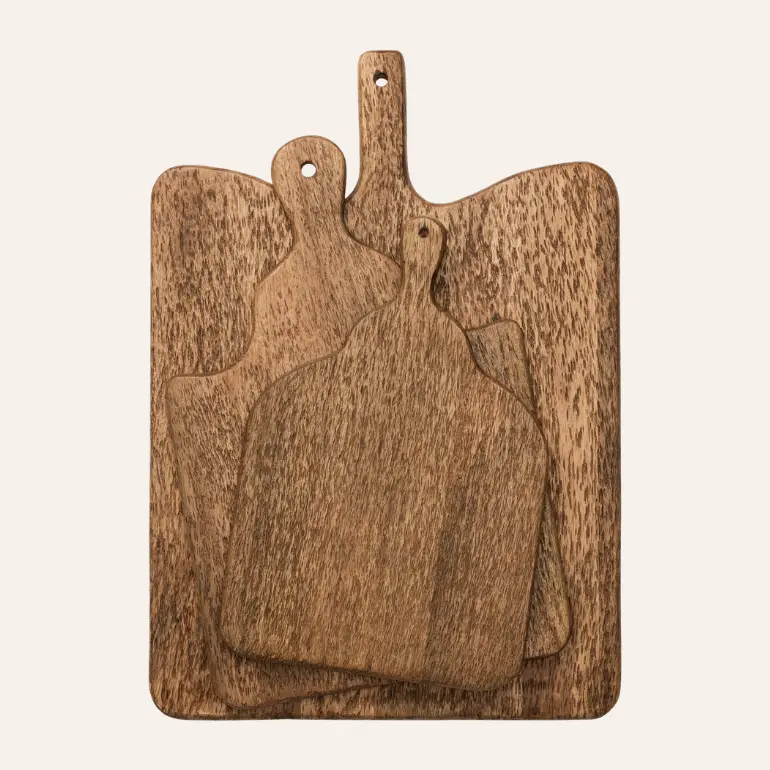



Our closest grocery store (sadly, even with millions of people in the SF bay area, there are few truly specialty shops) is a 6 minute walk, Whole Foods. The cheese counter there is pretty good, and one of our favourite things is what we call ‘the shrapnel bin’, which is the small leftover pieces of whatever they’ve been portioning up recently. The pieces are usually under $2, and just the right size for having with a few crackers or chunk of bread as an appetizer, or putting a few of them out, usually with a more full sized piece of something, as a cheese/grazing board. Its a fun and low risk way to try new cheeses, although, similar to Jay, it’s rare to find something we don’t care for.
Loved the simple and humble nature of this post. Good ingredients, simply prepared, consumed slowly and with intentionality – that’s one of lifes greatest pleasures.
“The shrapnel bin” is such a clever concept! What a delightful way to discover new cheeses and assemble a charming little board 🙂
I have such a soft spot for Whole Foods, I first discovered it when I lived in London, and stepping inside always felt like a quiet little treat. Thank you so much, Lindsey, for your lovely note on simplicity and good food. It truly is one of life’s sweetest pleasures.
Thank you for the cheeseboard tips, and for sharing your family’s kitchen wisdom so generously. I love cheese! I never met a cheese I didn’t like, except maybe a very pongy Stilton. I like to eat Brie or Camembert with grapes and walnuts if I have them. I also like to make a Ploughman’s Lunch which is a very familiar concept to those of us in the UK: some cheese, crusty bread, pickles, chutney, a sliced tart/sharp apple and/or some celery sticks, a few small tomatoes, cucumber slices, and a small pile of salted potato crisps (chips) on the plate too. Makes a lovely no-cook lunch or dinner for tired people and to me, it always feels like a treat even though it is made from simple ingredients. And for a bit of French flair, it pairs very well with a chilled glass of Provençale rosé.
Thank you so much, JayBee, for sharing this! I must confess, I was not familiar with the Ploughman’s Lunch, so I loved learning about it 🙂 I really adore the idea of combining a little bit of everything, it makes for such a satisfying and complete meal in no time at all. I will definitely be giving it a try on one of those quiet evenings when cooking feels like a bit too much effort (paired with that chilled glass of rosé, bien sûr!).
I just wanted to say thank you.
I’ve been reading Leonce Chenal for some time now, it’s such a pleasure to take some time to enjoy your posts about food, fashion and general pleasures.
Your emails are a highlight of my week.
Please know how much joy and calm you bring to people like me who become overwhelmed with the business of life ❤️
Dear Jodie, thank you from the bottom of my heart for such a gentle and touching message. To know that this quiet corner of the internet brings you a moment of calm and a breath of fresh air amidst the busyness of daily life is truly the sweetest reward I could ask for <3
Thank you for taking the time to read and share these moments with me week after week.