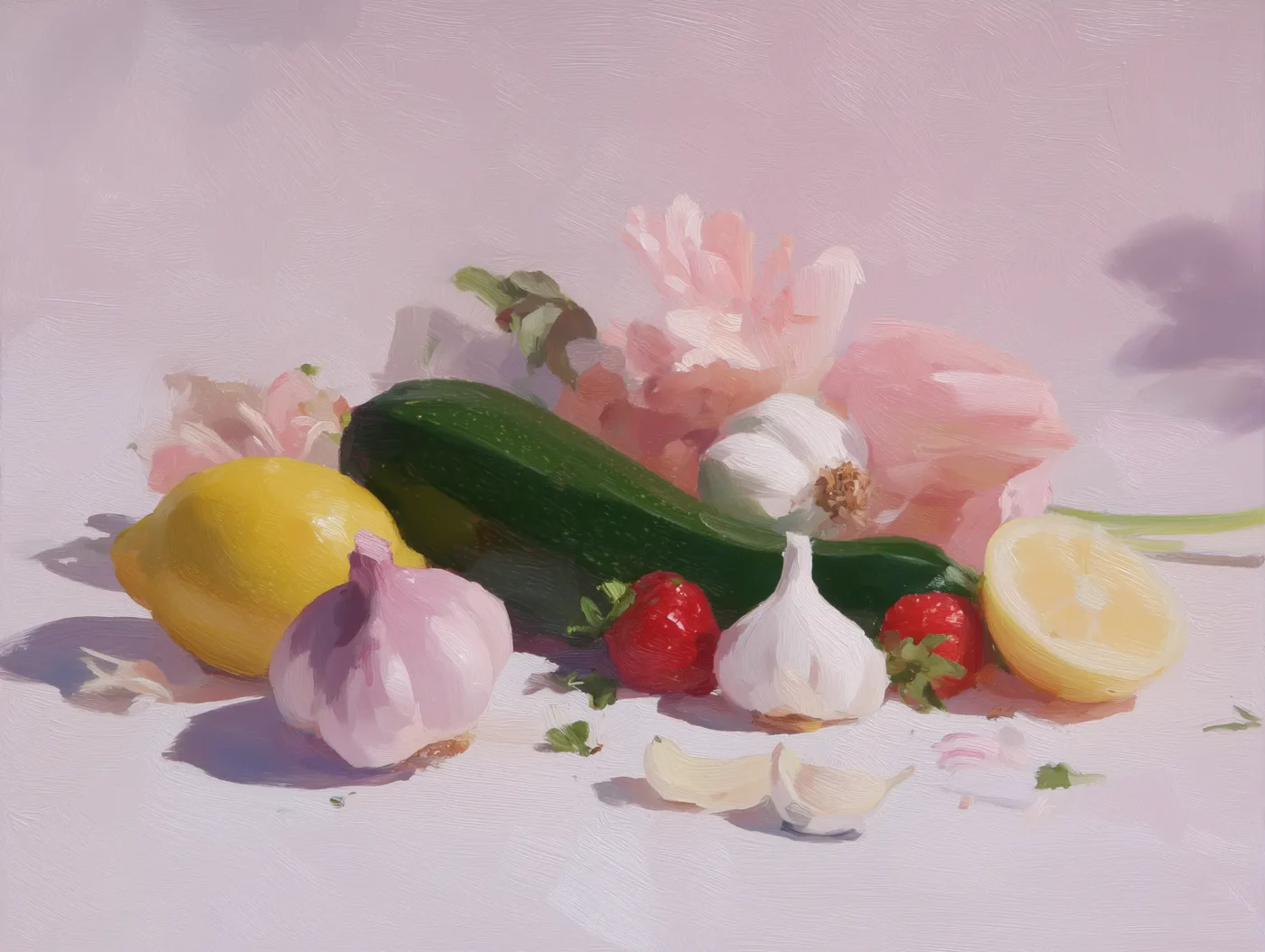
Eating well doesn’t need to be complicated. In fact, it’s often the opposite. With a few simple ingredients and a clear structure, it becomes much easier to know what to buy, and what to cook throughout the week. In my previous article, A Simple (French) Way of Eating, I shared the philosophy behind this approach. Today, let’s make it practical. Here is a simple French grocery list, along with 7 days of easy meal ideas, to help you shop and cook without overthinking it.
How to Build a French Grocery List for the Week
When I shop, I don’t follow a rigid meal plan or hunt for complicated recipes. Instead, I rely on a few principles that guide me through the aisles. To keep things effortless, I usually follow a simple mental map:
- 2–4 vegetables I can use across multiple meals
- 1–2 main proteins, plus a few extras for variety
- 1 pantry base (pasta, grains, or legumes)
- A few “flavor makers” (mustard, garlic, shallots, sauces…)
- A few everyday essentials (yogurt, milk, or cheese)
- A few baking basics (eggs, butter, flour, sugar, milk)
- Fresh fruit for the week
- One small pleasure
For a more complete overview of pantry staples, you can also read my article, What I Always Keep in My French Pantry, where I share the essentials I always keep on hand.
This small structure makes shopping faster, and ensures everything in your basket naturally works together. I also try to stay away from ultra-processed foods. My basket is mostly filled with fresh produce and what I like to think of as gentle staples, things like pasta, plain yogurt, frozen vegetables, or whole-grain crispbread. Foods that have been transformed just enough to be useful, but haven’t lost their essence to excessive sugar or additives. Interestingly, since living in Amsterdam, I’ve noticed that these simple, whole foods are often the most affordable. Avoiding the “middle aisles” of processed snacks doesn’t just feel better, it naturally keeps your grocery budget under control.
Where to Shop for Fresh, Quality Ingredients
When I lived in France, the weekly market was part of the rhythm. Here in Amsterdam, it’s a little different. While I sometimes order from local producers, I mostly shop at supermarkets, a mix of organic and more general stores. Whenever possible, I choose organic. Not out of perfection, but because the flavor is often better, especially for fruits and vegetables.
How to Choose Seasonal Ingredients
You don’t need to follow seasons perfectly. But letting them guide your choices is one of the easiest ways to avoid eating the same meals on repeat.
- Spring: asparagus, radishes, peas, spinach, artichokes, strawberries, rhubarb
- Summer: tomatoes, zucchini, eggplant, cucumbers, bell peppers, berries, cherries, apricots, peaches, melon
- Autumn: squash (butternut, pumpkin), mushrooms, leeks, carrots, beets, apples, pears, figs, grapes
- Winter: cabbage, cauliflower, brussels sprouts, potatoes, parsnips
Even loosely following this rhythm brings variety without effort.
My Weekly French Grocery List
You can use this as a simple template for your own weekly grocery list, adjusting it based on your preferences and what’s in season where you live.
Proteins
- Organic chicken (a whole chicken if possible, more economical and versatile)
- Beef steaks or another protein of your choice
- Salmon or another fish
- Eggs
- Optional: lardons or bacon for flavor
Dairy & Baking Essentials
- Butter
- Milk
- Plain yogurt (or Greek yogurt)
- Flour and sugar (for simple homemade desserts)
Grains & Pantry
- Wasa crispbread (a simple everyday alternative to industrial bread)
- Pasta
- Lentils, split peas, or white beans
- Dijon mustard
- Cornichons
- Tomato sauce (one plain, one for variation like pesto rosso)
- Potatoes
- Pizza dough (store-bought or homemade)
(a practical option for an easy, comforting meal without turning to fast food, though making it from scratch is something I’d love to do more often)
Vegetables & Fruits
Vegetables
- Zucchini
- Broccoli
- Cherry tomatoes (or seasonal tomatoes)
- Mushrooms
- Spinach
- Cauliflower
- Salad
- Fresh basil
And always:
- onions
- shallots
- garlic
These are the foundation of almost everything.
Fruits
- Bananas
- Kiwis
- Grapes
- Seasonal fruits (berries, for example)
- Dates (a simple, natural sweet snack)
- Lemons
Simple Pleasures
- Cheese (fresh cheese, goat cheese, mozzarella or a local favorite)
- Dark chocolate (for baking)
- Milk chocolate (or another small treat you enjoy)
7 Days of Simple French Meal Ideas
With a basket like this, the week naturally starts to organize itself. You aren’t cooking complex recipes every day; you are simply reimagining good ingredients in different ways. You can use this as a flexible guide, adapting it to your own preferences and what’s in season where you live. Here is what a typical week might look like with a basket like this:
Sunday
- Lunch: Roast chicken with small potatoes sautéed in olive oil and garlic.
- Dinner: A fresh green salad topped with leftover chicken, tomatoes, avocado, and a classic mustard dressing.
Monday
- Lunch: An omelet with spinach and shallots, served with crispbread.
- Dinner: Pasta with a light tomato sauce and sautéed mushrooms.
Tuesday
- Lunch: Salmon fillet with sautéed spinach, garlic, and a drizzle of olive oil.
- Dinner: A simple vegetable sauté with tomatoes, zucchini, and onions, served with crispbread and a small wedge of cheese.
Wednesday
- Lunch: Beef steak with broccoli sautéed in olive oil, onions, and garlic.
- Dinner: Simple white beans warmed with onions, shallots, and herbs.
Thursday
- Lunch: Roasted cauliflower with a delicate béchamel sauce.
- Dinner: Lentil salad with savory lardons, cherry tomatoes, shallots, and a light vinaigrette.
Friday
- Lunch: A simple tartine of crispbread with ham and butter, or fresh herb cheese and cornichons.
- Dinner: Homemade pizza using a simple dough, topped with tomato sauce, ham, mozzarella and basil.
Saturday
- Lunch: A meal out at a local café.
- Dinner: An effortless vegetable tart, using whatever produce remains from the week.
French Desserts & Snacks
In a French kitchen, the meal rarely ends abruptly. Yogurt, fresh fruit, dates, or a handful of berries are often enjoyed as a light dessert or an afternoon snack. And most days, a square of dark chocolate naturally finds its place, after lunch, after dinner, or with a cup of tea.
Throughout the week, something simple is usually baked and kept on the counter: homemade cookies, a chocolate or lemon cake, or a few madeleines. Things that can be stored under a glass dome or in a tin, and enjoyed slowly, in the morning, or as a treat after dinner.
A Seasonal Ritual?
The idea here isn’t to suggest a “right” way to eat. It’s simply to offer a structure you can return to each week, one that makes everyday cooking feel easier, calmer, and more intuitive.
If you found this helpful, I’d love to turn this into a seasonal series, and share how this list evolves throughout the year. Let me know in the comments if you’d like to see a summer or autumn version :).