L’Almanach
Summer Edition 2026
Your seasonal guide to the French art of summer: what to wear, cook, read, listen to, pack, notice, and savor before the season slips away.
Inside this Summer Almanach, you will find a letter from me, a summer playlist, a golden apricot tart to bake, seasonal things to bring home from the market, a few things to pack, books to read in the shade, and small rituals from the South of France for the hottest days.


My dear reader,
Here we are again, at the threshold of a new season. I think it had already begun a few days ago: in the light, in the first warm evenings, in the windows left open a little longer. But today, as I write to you, it is June 21st: the first official day of summer.
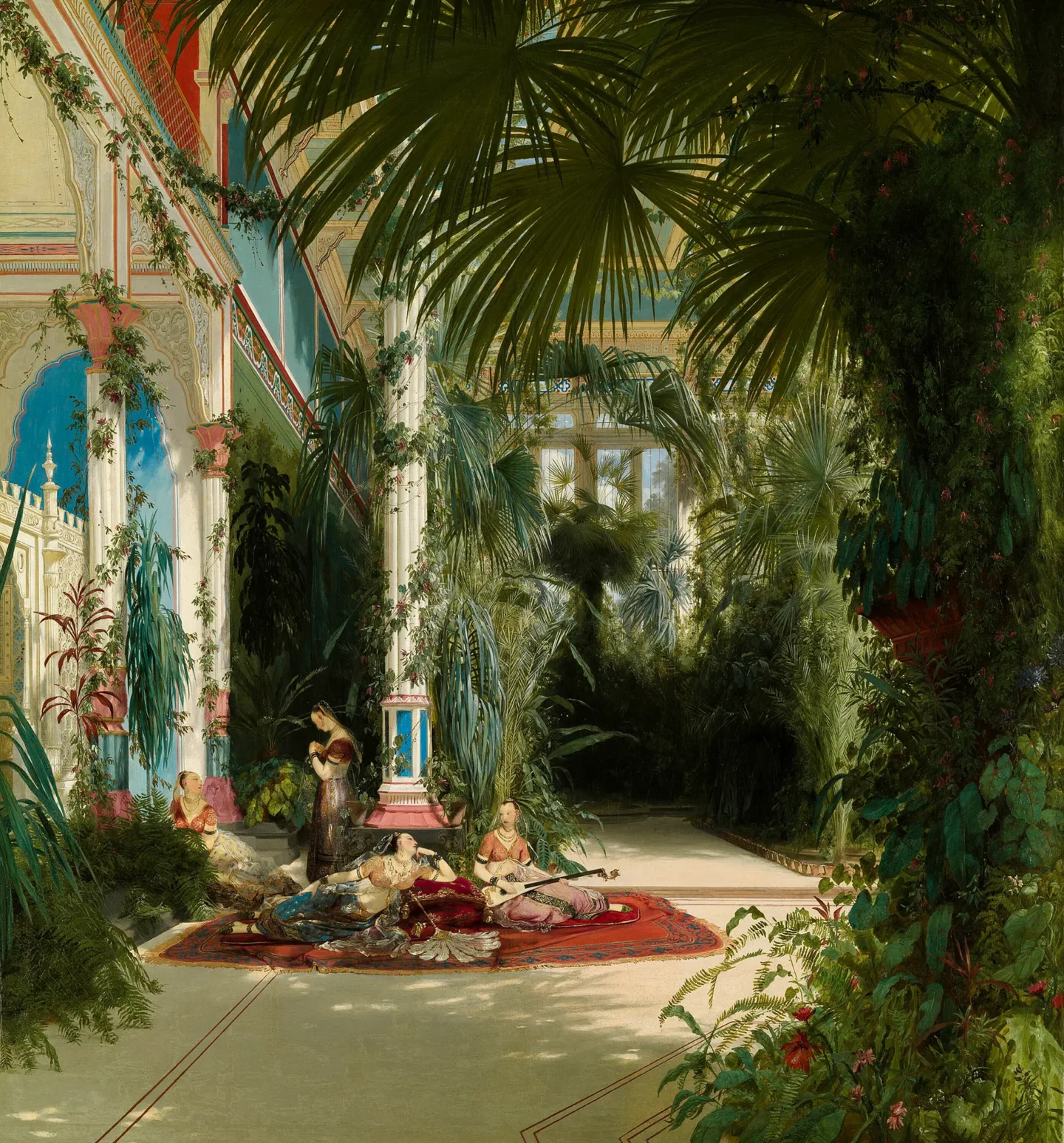
To me, this season always brings back two distinct images, like two paintings held in memory. In both, I find the same dense, lingering heat, which I love in a strange way, because it asks us to slow down, to stop resisting the rhythm of the day, and to learn once again how to take our time.
The first image belongs to southern Europe. Perhaps the Balearic Islands, perhaps Greece, somewhere nature still feels wilder, drier, more luminous; in those hidden corners of the South where the Mediterranean still seems intact, if one knows how to wander a little beyond the obvious.
When I think of this image, I hear the cicadas first, then the waves, and farther away, the wind moving through the branches of olive trees. I see the night sky scattered with stars, the kind we can hardly see anymore from the city. I smell salt air, fig trees, unripe olives, resin, and pine needles warmed by the sun.
It is noon. The sun is at its highest. The heat grows so dense that all at once one longs for shade, for closed shutters, for the coolness of indoors. The cicadas seem to rise with the heat. There is almost no one left outside.
And this is precisely the moment I love.
I remember one afternoon in Greece, sitting alone in the shade of a vine-covered trellis, protected from the sun by a canopy of green leaves. Above my head hung heavy bunches of ripe grapes. No one had picked them. In places where the land is so generous, fruit sometimes grows in such abundance that it is simply left there, as if abundance were the most natural thing in the world.
There was not a breath of air. Not a movement. Only the cicadas, the heat, the shade, and that very particular silence one hears when the rest of the world has withdrawn.
I needed nothing else. Not a photograph, not a book, not a distraction. The landscape was enough. Life, at that precise moment, was more than enough.
I call this l’heure suspendue: the suspended hour. That moment, between noon and three, when the heat has sent everyone inside, when time seems to stop, and when one suddenly has the impression of having nature, the village, sometimes even the world, entirely to oneself.
The second image is almost its opposite: a great city in summer.
Paris, perhaps. A city whose locals have left for the coast, fleeing the heat of the concrete, the less shaded streets, the façades that hold the sun. Here, this kind of heat has a name: la canicule, the heatwave. The city seems half-asleep. Some shops close for the holidays. Many residents have left. The tourists, too, often choose the sea, the beaches, the islands, the more obvious promises of summer.
And yet, I believe one of the most beautiful times to discover Paris is in August, especially after August 15th, when the city has emptied itself of much of its movement and noise. Keep this little secret to yourself: Paris in the middle of August can offer one of the softest, strangest, most precious experiences of the city.
Each summer, then, the same dilemma returns: to enjoy these almost-deserted cities, left for a few days to those who know how to love them differently, or to go in search of a small lost paradise in the Mediterranean, of that unspoiled magic that still exists somewhere, and reveals itself to those willing to be a little adventurous.
This year, it will be the city. And not just any city: New York.
A journey we have dreamed of for a long time, and one that finally felt ready to become real this year. So, if I am not going in search of that small piece of the Mediterranean this summer, I will carry it with me all the same.
I will carry my memories of the South: Greece, Ibiza, Mallorca, Marrakech, the South of France, Paris in August. I will also bring my French wardrobe, a little Parisian discretion, my love of simple things from the Alps, and that slightly wandering curiosity which, I think, has always belonged to Léonce.
Perhaps summer is never only a destination. Perhaps it is a way of looking.
So I will write to you soon from New York, a little closer to some of you, with a little of that southern light tucked into my suitcase, a little of summer’s slowness, and the curiosity of a tourist, which I have never wanted to lose.
Perhaps we will pass each other without knowing it, on a street corner, in a café, in front of a window, or somewhere in the heat of the city. I like the thought that, for a few days, we might share the same light, the same city, the same summer.
With affection,
Léonce
Press Play

Les Phénomènes Célestes
Celestial Notes for Summer 2026
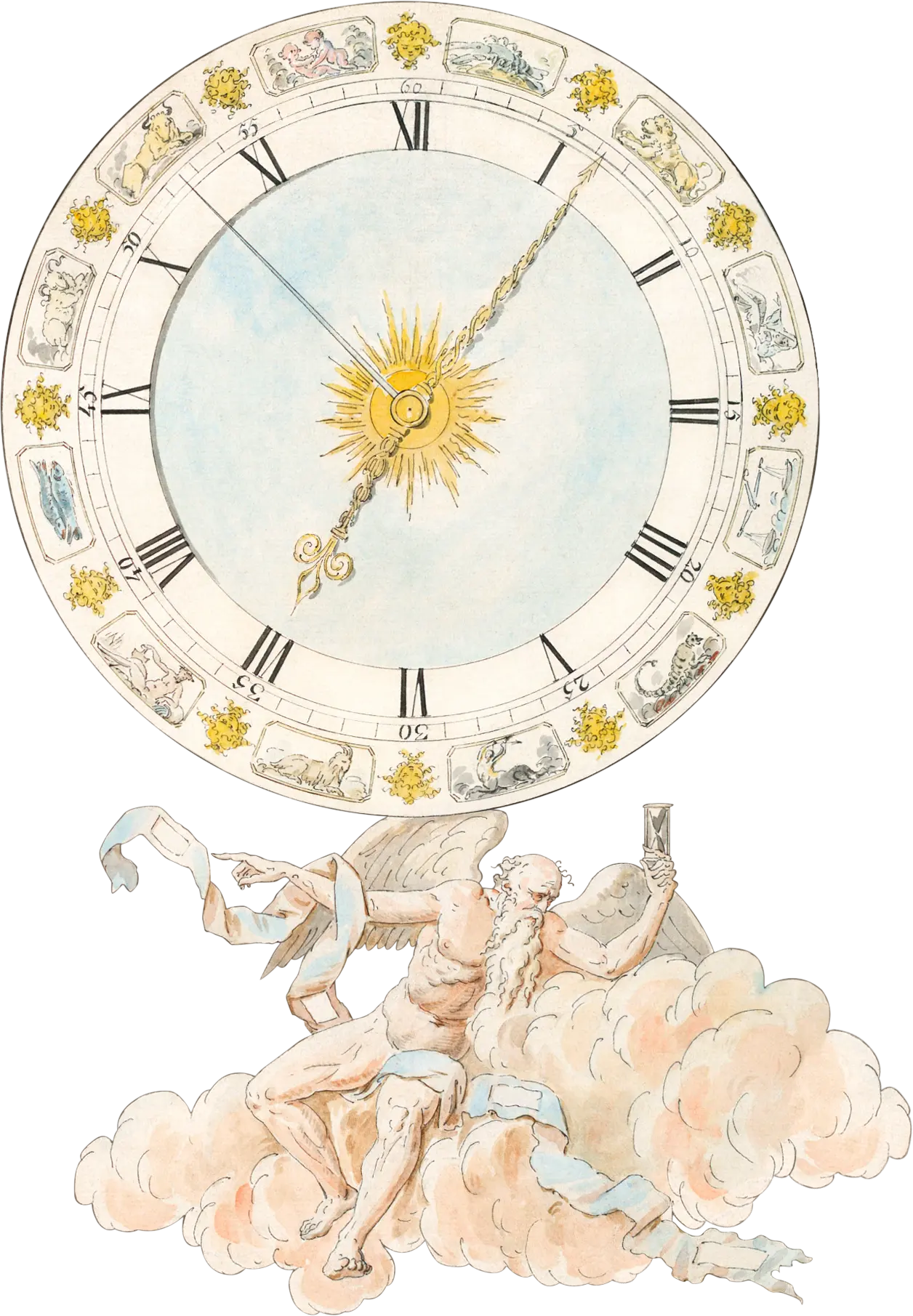
And so we begin where all almanacs once began: with the sky, the light, and the small celestial appointments that help us notice the season passing.
June 21 · The Summer Solstice
The day when the light stays with us the longest. In the Northern Hemisphere, the summer solstice marks the threshold of astronomical summer. A day to stay outside a little longer than planned, to notice how late the light lingers, and to remember that summer begins not only on the calendar, but in the way the day opens around us.
June 29/30 · The First Full Moon of Summer
The first full moon after the solstice, rising on the night of June 29 into June 30. I like the idea of treating it as the moon that opens the season: a pale, generous light for the first true summer nights.
July 14 · New Moon
New moons are not always spectacular to look at, but they are beautiful in another way: they make room for stars. If you are somewhere away from city lights, this is one of the evenings to look up.
July 29 · Full Moon
A full moon in the heart of summer. The kind of night for walking home slowly, leaving the windows open, or staying at the table a little longer than planned.
August 12/13 · The Perseids
One of the great celestial pleasures of summer. In 2026, the Perseids peak on the night of August 12 into August 13, close to the new moon, when the sky should be especially dark. Find a place away from city lights, lie back, and let your eyes adjust. It is less an event to do than a moment to receive.
August 28 · Full Moon
The last full moon of high summer. By now, the light has already begun to change. The evenings are still warm, but something softer has entered them.
September 11 · New Moon
One last dark moon before the season begins to turn. A night for stars, for windows left open, for noticing how summer slowly loosens its hold.
September 22/23 · The Autumn Equinox
The closing threshold of astronomical summer. Day and night return to balance, and the season begins to tip toward autumn. A date to mark gently, as the moment when the light changes its mind.
Au Marché
What to bring home when summer is at its most generous.
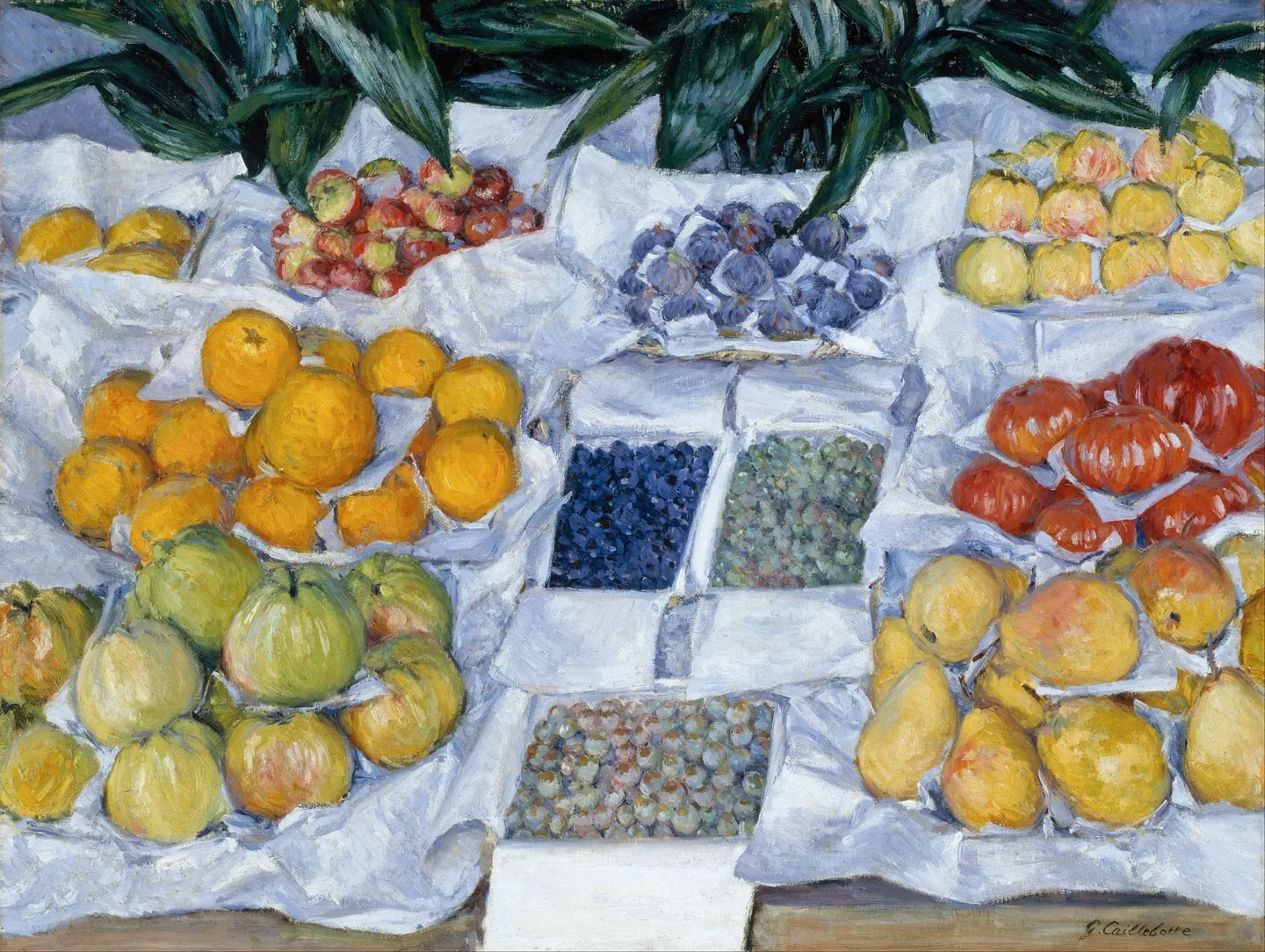
There is no better way to understand a season than to go to the market.
Not necessarily with a recipe in mind, or a list too carefully written in advance, but with a basket, a little time, and the willingness to let the stalls decide. In summer, the market becomes almost excessive in its generosity: tomatoes warmed by the sun, basil still fragrant from the morning, cherries in paper bags, melons that perfume an entire kitchen, and peaches so ripe they must be eaten over the sink.
June
In June, I look for the first real signs of summer, still touched by spring: cherries, fresh almonds, apricots, strawberries, rhubarb, fava beans, peas, courgettes, fennel, artichokes, cucumber, and tarragon. I like the softness of this month, before everything becomes too full, too ripe, too obvious. It is the moment for ricotta or feta with herbs, for langoustines if the day feels festive, and for a bowl of cherries left on the table, slowly disappearing one by one.
July
In July, the market becomes brighter, fuller, more Mediterranean. Tomatoes finally taste like tomatoes. Basil, mint, thyme, parsley, and dill seem to belong in every basket. There are green beans, courgettes, aubergines, peppers, cucumbers, summer lettuces, small potatoes, and all the sweetness of high summer: peaches, nectarines, raspberries, melons, and watermelon.
This is the month for salads that are not an afterthought, but the whole meal. Tomatoes with basil and olive oil. Melon with feta or ricotta. Green beans with herbs. Courgettes barely cooked. Summer fruit sliced into a bowl, with nothing added. I would add a piece of Saint-Nectaire, Tomme de Savoie, Rocamadour, summer Beaufort, or Mimolette, and call it dinner.
August
By August, summer has deepened. The colors are warmer, almost heavier: peppers, tomatoes, aubergines, courgettes, sweetcorn, herbs, peaches, nectarines, and Reine-Claude plums. If you are lucky, perhaps the first cèpes appear too, a quiet sign that autumn is waiting somewhere in the distance.
This is the month for food that barely needs a recipe: roasted peppers, sliced tomatoes, courgettes with herbs, melon kept in the refrigerator, peaches with cream, plums eaten cold, and cheese brought out just before dinner. Camembert, Chabichou, Livarot, Brillat-Savarin, or Tomme de Savoie can turn a simple evening into a small summer table.
A Few Summer Suppers
When I do not feel like cooking, I return to the simplest summer tables.
Tomatoes, basil, olive oil, and sea salt.
Melon with feta, ricotta, or fresh goat cheese.
Roasted peppers with herbs.
Green beans with shallots and parsley.
Fraises à la crème, served very cold.
A tomato and mustard tart with a green salad.
A simple salade niçoise with tuna, eggs, tomatoes, olives, and green beans.
Gazpacho, kept in the refrigerator for the hottest days.
And perhaps that is the true pleasure of summer cooking: not doing more, but choosing well, and letting the season do most of the work.
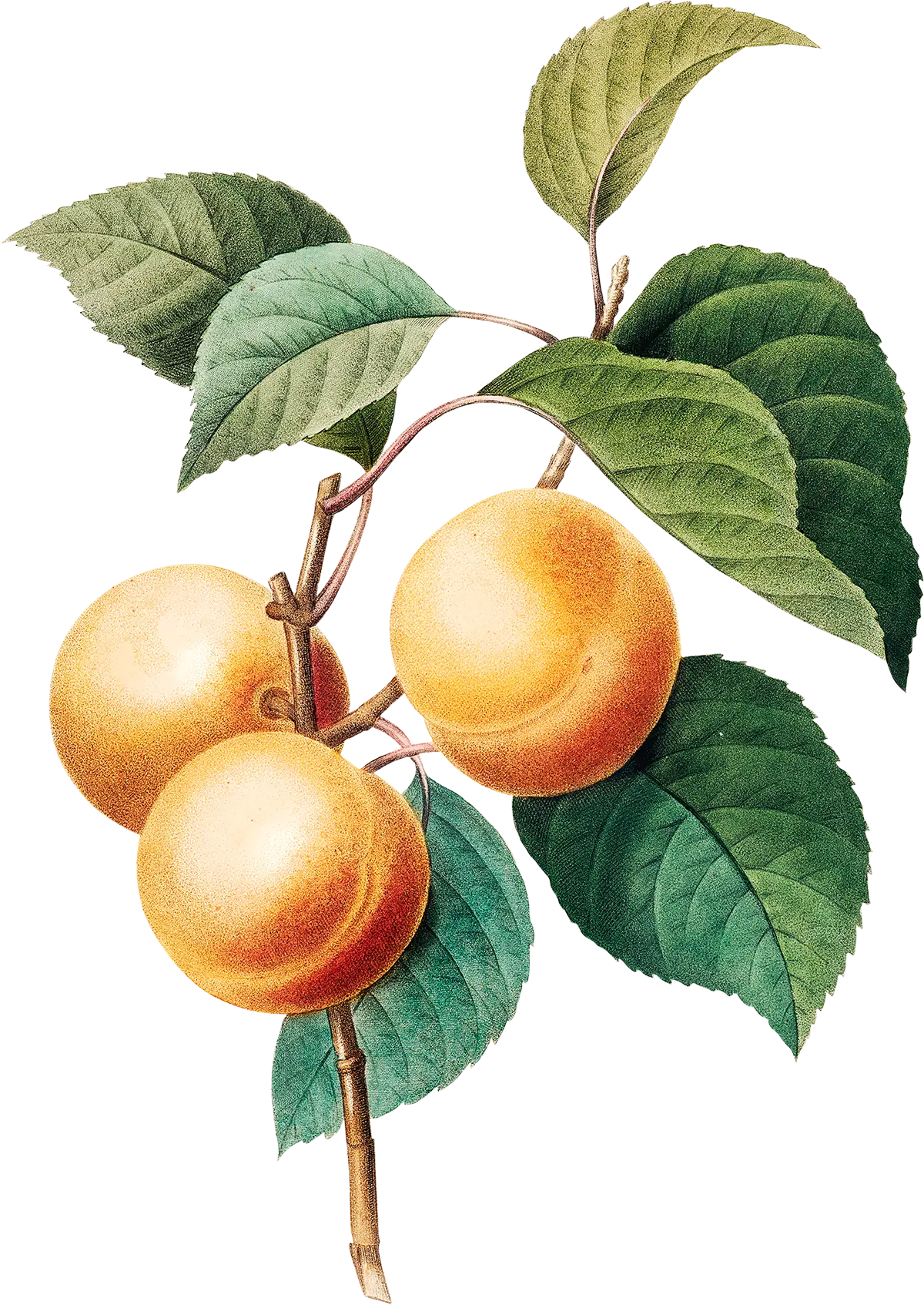
La Tarte Amandine aux Abricots
A golden summer tart with ripe apricots, almonds, and just enough sweetness.
Ingredients
(For a 9–10 inch / 22–24 cm pan)
For the pastry
200 g all-purpose flour (about 1 2/3 cups)
100 g cold unsalted butter (7 tablespoons)
35 g powdered sugar (about 1/4 cup + 2 teaspoons)
1 egg
1 pinch fine sea salt
1 teaspoon cold water, only if needed
For the almond cream
80 g almond flour / ground almonds (about 3/4 cup + 1 tablespoon)
60 g unsalted butter, softened (4 tablespoons + 1 teaspoon)
60 g sugar (about 1/4 cup + 1 tablespoon)
1 egg
1 tablespoon all-purpose flour
Zest of 1/2 lemon
2 to 3 drops bitter almond extract, optional
For the fruit
8 to 10 ripe but still firm apricots, halved and pitted
1 tablespoon light brown sugar
2 tablespoons sliced almonds
1 tablespoon apricot jam, to glaze
Preparation
Begin with the pastry. In a large bowl, mix the flour, icing sugar, and salt. Add the cold butter and rub it into the flour with your fingertips until the mixture resembles fine breadcrumbs. Add the egg and bring the dough together gently, without overworking it. If the dough feels too dry, add 1 teaspoon of cold water, just enough to help it come together.
Form into a disc, wrap, and let it rest in the refrigerator for at least 30 minutes.
Preheat the oven to 180°C / 350°F.
Roll out the pastry and line a 24 cm tart tin. Prick the base lightly with a fork. Cover with baking paper, fill with baking beans or dried beans, and blind bake for 10 to 12 minutes. Remove the paper and beans, then bake for another 5 minutes, just until the pastry begins to look dry.
For the almond cream, beat the softened butter with the sugar until smooth. Add the egg, then the ground almonds, flour, lemon zest, and, if using, 2 to 3 drops of bitter almond extract. Mix until just combined.
Spread the almond cream over the pastry base. Arrange the apricot halves on top, cut side up, pressing them gently into the cream. Sprinkle with the light brown sugar and flaked almonds.
Bake for 30 to 35 minutes, until the pastry is golden, the almond cream is set, and the apricots have softened into the tart.
While the tart is still warm, brush the fruit lightly with a little warmed apricot jam.
Let it cool slightly before serving. It is lovely warm, but perhaps even better at room temperature, when the almond, butter, and apricot have had time to settle into one another.
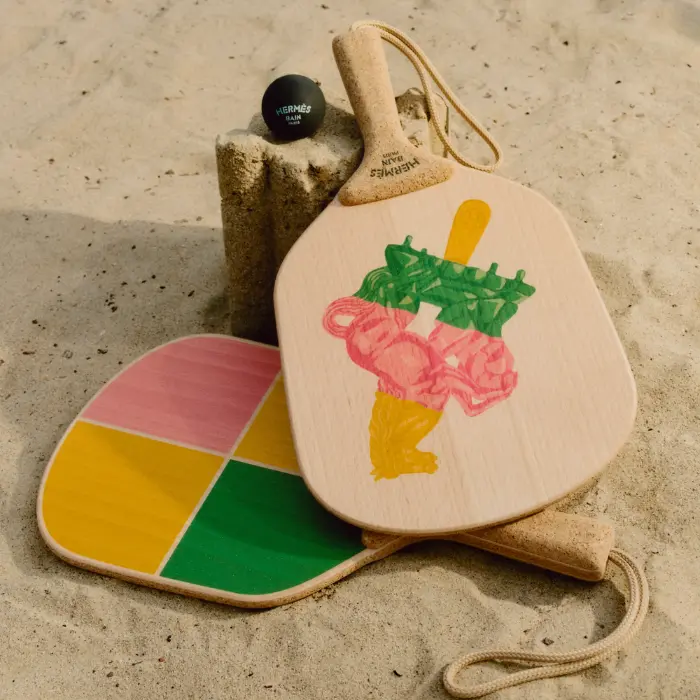
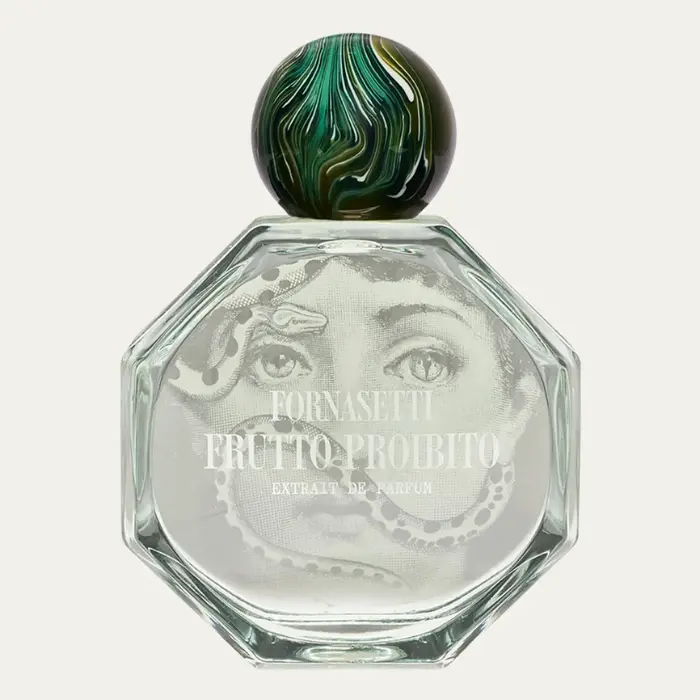
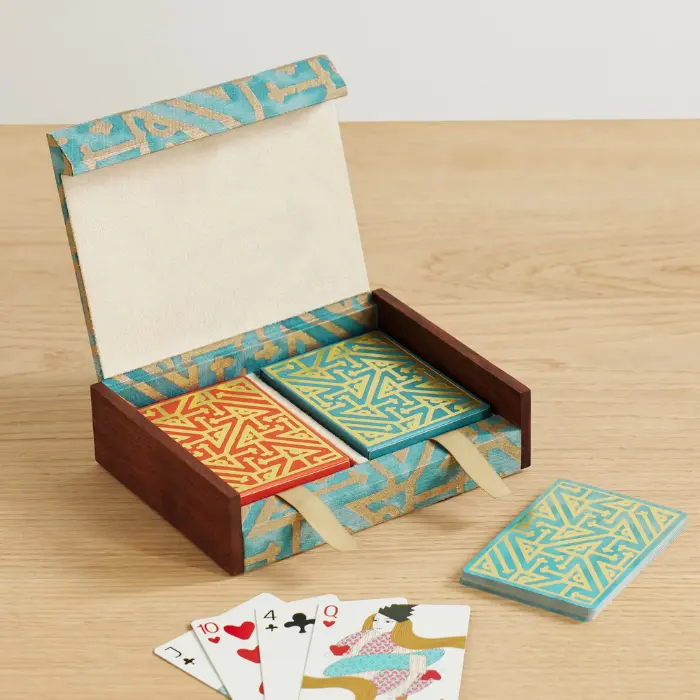
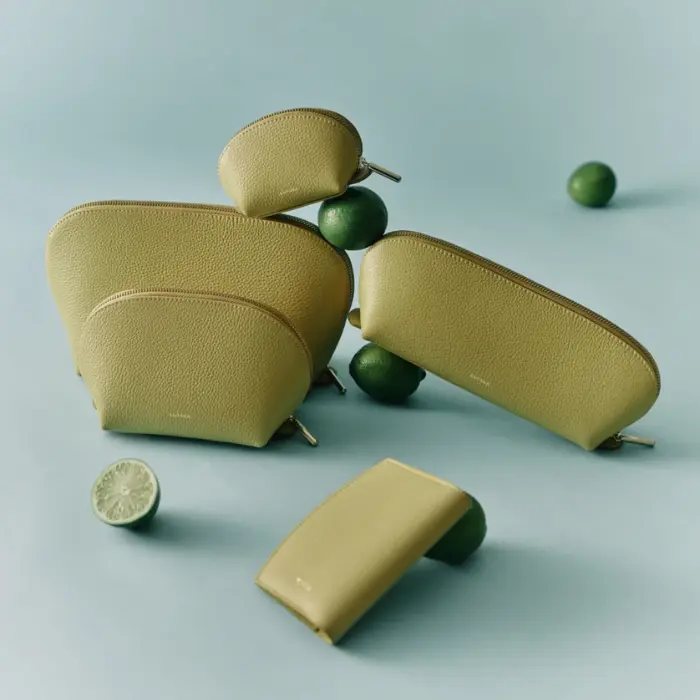
La Valise d’Été
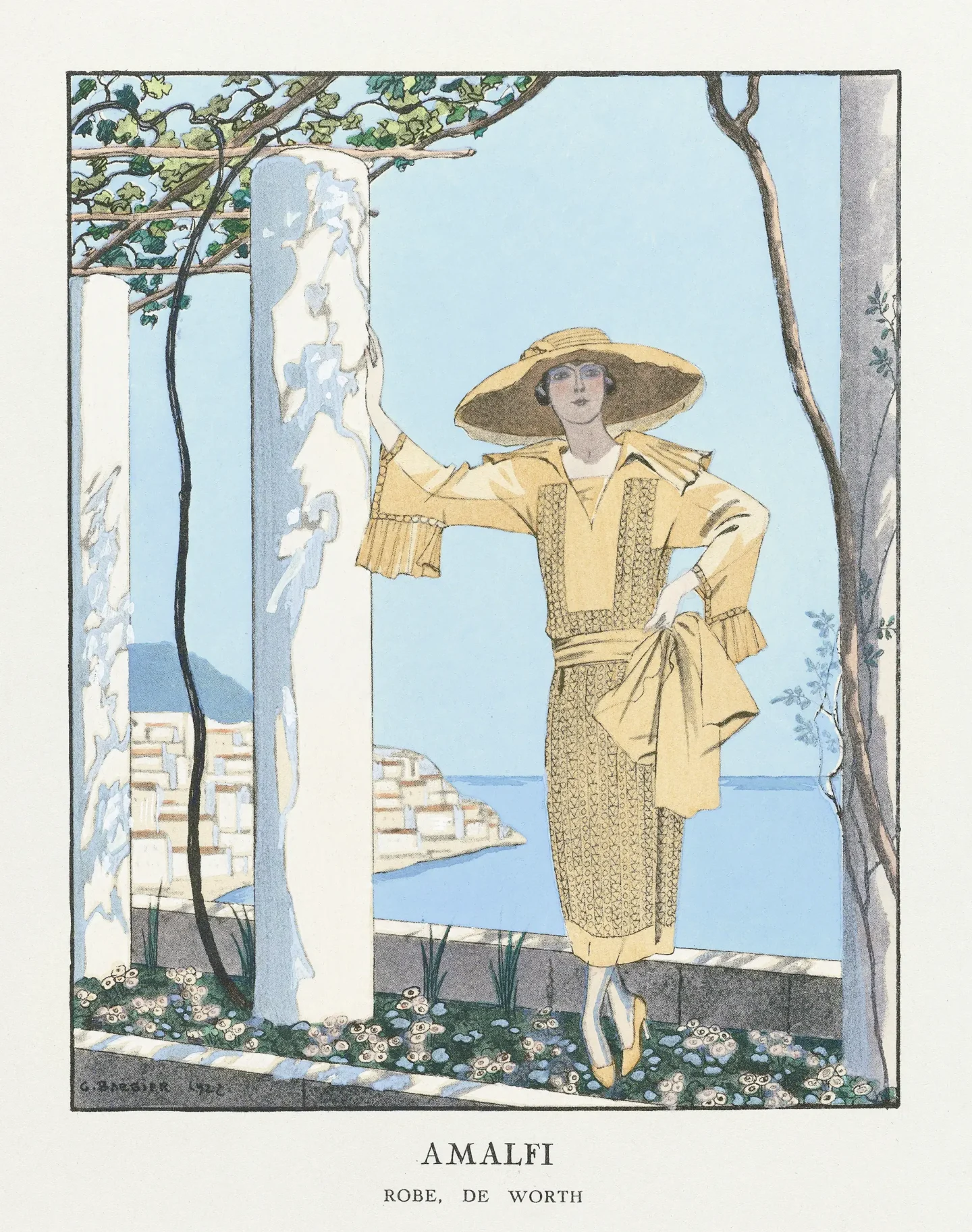
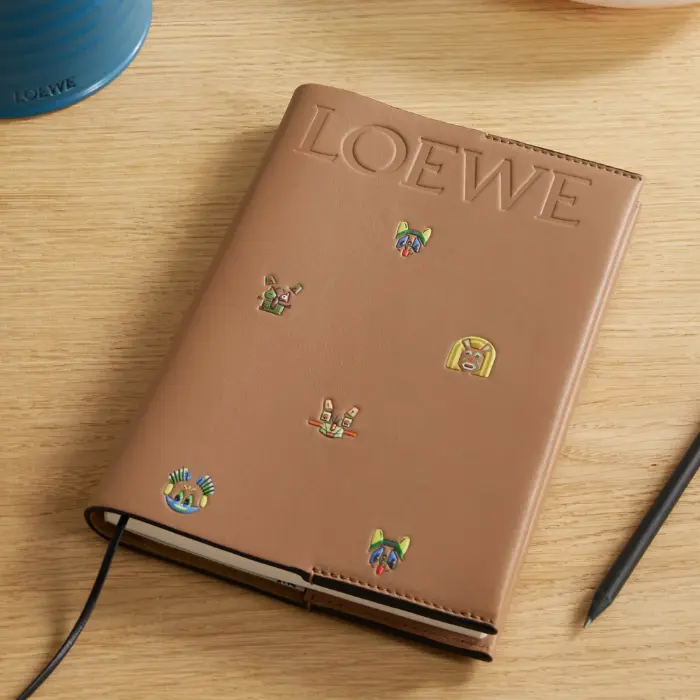
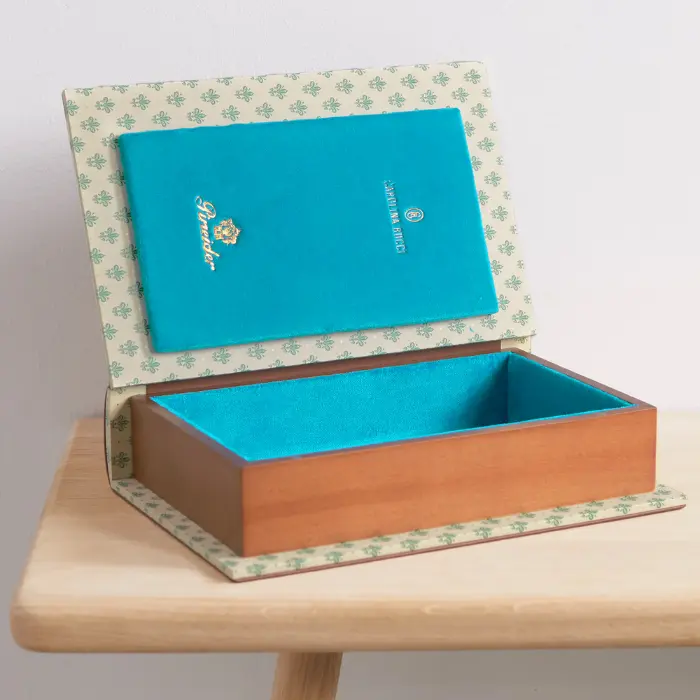
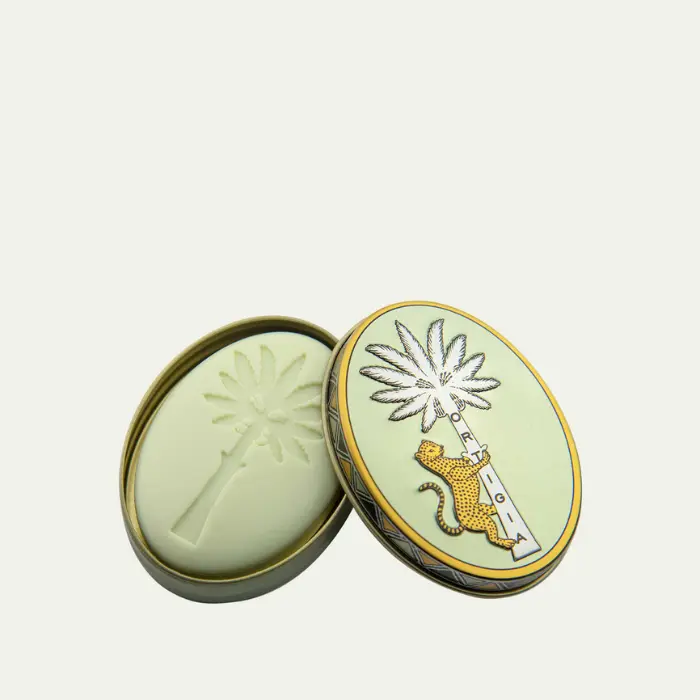
Eight small curiosities for a summer suitcase.

À Lire à l’Ombre
Books for the long, quiet hours of summer.
Françoise Sagan, Bonjour Tristesse
For the heat of the Côte d’Azur, the insolence of youth, and the dangerous beauty of a summer that changes everything.
Colette, La Naissance du jour
For the South, the garden, the freedom of solitude, and Colette’s sensual way of making the smallest things feel alive.
Albert Camus, Noces
For the Mediterranean light, the sea, the body, and the almost pagan joy of belonging, for a moment, entirely to the world.
Marcel Pagnol, Le Château de ma mère
For the hills of Provence, childhood summers, family tenderness, and the golden nostalgia of a world remembered with love.
Patrick Modiano, Villa Triste
For a mysterious summer by the lake, a young woman one never quite understands, and the melancholy of holidays that already feel like memories.
L’Heure Fraîche
Small rituals from the South of France for very hot days.
Open the house early.
Before the heat has settled in, open the windows and let the morning air in. This is the hour for going to the market, buying bread, choosing fruit, bringing home flowers, or doing whatever the day requires before the streets become too bright.
Then close it again.
Close the shutters, draw the curtains, and keep the rooms in a soft penumbra. Leave only a line of light on the floor.
Disappear between twelve and three.
Read a few pages in the shade. Lie down for twenty minutes. Write a postcard you may or may not send. Let the house be quiet. A short siesta, if the day allows it.
Wear something that lets the air move.
A white cotton or linen shirt, freshly washed and still faintly smelling of Marseille soap. A loose dress. Nothing too tight, nothing that needs adjusting too often.
Prepare an eau fraîche.
In the refrigerator, keep a carafe of very cold water with white peach, verbena, and lemon: one sliced peach, a few leaves of fresh verbena or mint, two thin rounds of lemon, and enough cold water to fill the carafe. After an hour, it tastes cool, delicate, and faintly of a garden in the South.
Pour a sirop à l’eau.
Mint, orgeat, lemon, peach, or grenadine, poured lightly into a tall glass and diluted with much more cold water than syrup. It is a little childish, yes, but that is part of its charm.
Take a lukewarm shower at the end of the day.
Not an icy one. Something softer, just enough to bring the body back to itself.
Keep an eau de Cologne in the refrigerator.
This may be my favorite old-fashioned summer gesture: a little cold eau de Cologne on the neck, the wrists, behind the knees. Fresh, fleeting, almost immediately gone, which is precisely why it feels so right.
Let the linen dry outside, if you can.
Sheets, a cotton shirt, a towel, a nightdress. There is something beautiful about fabric dried by sun and air, even if all you have is a balcony, an open window, or a small clothesline outside.
Scent the sheets very lightly.
Orange blossom, verbena, lavender water, or simply the smell of clean cotton. Nothing too strong. Just enough to make the bed feel like a cool room inside the room.
Wait for the evening air.
When the heat finally loosens, open the windows again. Sit after dinner on a terrace, a balcony, a doorstep, or by an open window while the stones give back the heat they have kept all day.
Do not make too much of it. That is perhaps the whole point of l’heure fraîche: the shutters half-closed, a cold glass slowly sweating on the table, and the patience to wait for the evening air.
Le Voyage Immobile
For those who leave, and those who stay.
Before closing this Almanach, I would like to return to one simple idea: summer is not measured only in miles traveled.
Some of you may have the chance to leave. To take a train, a plane, a road lined with cypress trees or umbrella pines. To discover an unfamiliar city, return to a beach loved since childhood, wake beneath a different light, hear a language half understood, or walk through a market where the fruit does not have quite the same names.
But for a journey to change us, even a little, it requires more than movement. It asks for attention. A kind of inward openness. A way of arriving without needing to understand everything too quickly.
One can cross an entire country without truly seeing it. One can also remain at home and suddenly feel the world becoming larger.
Perhaps what travel teaches us is not only the novelty of landscapes, but the novelty of looking. To return with new eyes is to learn to see differently what was already there.
And for those who will not be traveling this summer, perhaps staying does not necessarily mean missing the world.
There are quieter journeys, less easy to photograph, but sometimes just as deep. The ones we take through books, music, images, food, other people’s memories, or the hours spent dreaming in front of a map, a painting, a sentence, a song. Some summers happen far away. Others take place almost entirely in the imagination.
It does not replace the experience of the world entirely. But it reminds us of something easily forgotten: imagination, too, is a serious way of traveling.
One can go very far and remain closed. One can stay still and open.
Perhaps this is what I hoped to compose with this Almanach: not only a collection of things to cook, read, listen to, pack, or keep close for the season, but an invitation to look at summer differently. To notice the color of a fruit, the coolness of a room with its shutters closed, the scent of linen drying in the air, the promise of a book open in the shade, the music of elsewhere that does not always need to be reached in order to be let in.
Whether you leave or stay this summer, I hope these pages have offered you a little of that: a slight shift in the way you look. A way of traveling, even for a few moments, through thought, through the senses, through attention.
Because perhaps the true luxury of summer is not always to go farther.
It is, finally, to be a little more present to what is already here.
Léonce.
Continue with Les édits Privés
If you enjoyed this Almanach, you will love Les Édits Privés, where I bring the same French eye to your wardrobe.
Each week, receive a new private 9-piece French capsule, 5 elegant outfit formulas, and precise styling notes to help you choose better, dress with more ease, and build a refined French-style wardrobe with confidence.